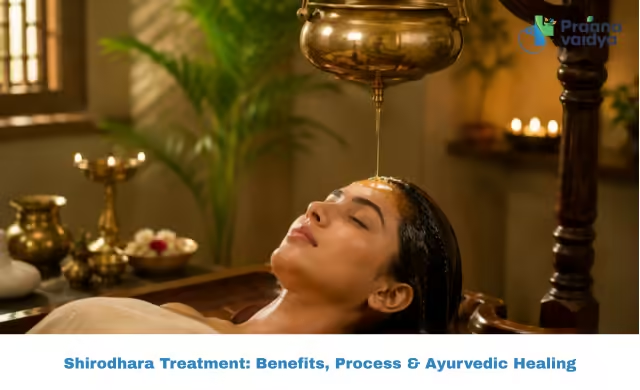
Shirodhara treatment is a traditional Ayurvedic therapy in which a continuous stream of warm herbal oil or another prescribed liquid is gently poured over a specific area of the forehead. The word “Shirodhara” is derived from two Sanskrit terms: shiro, meaning head, and dhara, meaning continuous flow.
The therapy is primarily used to promote deep relaxation, mental calmness and balanced sleep. It may also be recommended as part of a personalised Ayurvedic plan for people experiencing persistent stress, mental fatigue, disturbed sleep or dosha imbalance.
During Shirodhara therapy, the liquid flows rhythmically from a suspended vessel positioned above the forehead. The temperature, type of liquid, duration and speed of flow are selected according to the individual’s constitution, symptoms, age, season and health condition.
Shirodhara should therefore not be treated as a standard spa service. A proper Shirodhara Ayurvedic treatment begins with an assessment by a qualified Ayurvedic doctor.
Looking for a personalized Shirodhara plan?
What Is Shirodhara Used For?
Shirodhara is commonly recommended in Ayurveda to support:
- Mental relaxation
- Healthy sleep patterns
- Stress management
- Relief from mental fatigue
- Better concentration
- Emotional balance
- Relaxation of the head, neck and facial muscles
- Dosha balance, particularly aggravated Vata and Pitta
The therapy may help create a calming experience, but it should not be presented as a guaranteed cure for anxiety, insomnia, neurological disease or any other medical condition.
How Does Shirodhara Work in Ayurveda?
According to Ayurveda, physical and emotional wellbeing depend on the balance of three functional energies known as Vata, Pitta and Kapha.
Vata governs movement, nerve activity and mental restlessness. Pitta influences transformation, intensity and mental sharpness. Kapha provides stability, nourishment and calmness.
Excessive travel, irregular sleep, emotional strain, overwork, screen exposure, poor eating habits and constant mental stimulation may aggravate Vata and Pitta. This may present as restlessness, interrupted sleep, irritability, excessive thinking, mental exhaustion or difficulty relaxing.
Types of Shirodhara Treatment
The liquid used during Shirodhara is not always the same. It is selected after considering the person’s dosha, symptoms, skin sensitivity, climate and treatment objective.
1. Taila Dhara
Taila Dhara uses warm medicated herbal oil. It is the most commonly recognised form of Shirodhara therapy.
It may be considered for people showing Vata-related features such as dryness, restlessness, irregular sleep, mental overactivity or physical tension. The exact oil must be selected by an Ayurvedic doctor.
2. Ksheera Dhara
Ksheera Dhara uses medicated milk or a milk-based preparation. Ayurveda traditionally associates it with cooling and nourishing qualities.
It may be considered in selected cases involving excessive heat, burning sensations or Pitta aggravation. It is not suitable for everyone and should be prepared hygienically under professional supervision.
3. Takra Dhara
Takra Dhara uses processed buttermilk, often combined with herbal preparations.
It is traditionally selected in certain Pitta- or Kapha-related conditions. Depending on the diagnosis, Takra Dhara may be applied over the forehead or other areas of the body.
4. Kashaya Dhara
Kashaya Dhara uses a herbal decoction. The formulation is chosen according to the individual’s condition.
It may be used when oil-based treatment is not considered appropriate or when a specific herbal action is required.
5. Jala Dhara
Jala Dhara uses water or herbal-infused water at a carefully controlled temperature. It is less commonly used and is selected only in suitable circumstances.
The right type of Shirodhara cannot be chosen by keyword, trend or personal preference alone. The liquid that feels relaxing for one person may be unsuitable for another.
Potential Benefits of Shirodhara Treatment
The benefits of Shirodhara are influenced by the individual’s health, the liquid used, treatment duration, underlying condition and whether the therapy is combined with other Ayurvedic interventions.
1. Encourages Deep Relaxation
The repetitive flow of warm liquid can create a quiet and controlled sensory experience. Many people report feeling calm or mentally lighter during and after the session.
Shirodhara is therefore frequently included in Ayurvedic wellness programmes designed for people experiencing high mental workload or difficulty switching off.
2. Supports Healthy Sleep
Shirodhara may be recommended when sleep disturbance is associated with stress, irregular routines, mental overactivity or aggravated Vata.
However, persistent insomnia can have several causes, including medication effects, sleep apnoea, hormonal changes, depression, chronic pain or neurological conditions. Shirodhara should not replace proper medical evaluation.
3. May Reduce Mental Fatigue
Constant screen use, demanding work schedules and inadequate rest can contribute to mental exhaustion. Shirodhara therapy may help the individual slow down and experience a period of uninterrupted relaxation.
4. Supports Stress Management
Shirodhara can be incorporated into a broader stress-management plan that may include Ayurvedic medicines, daily routines, yoga, meditation, dietary guidance and improved sleep habits.
The therapy should not be described as a standalone treatment for severe anxiety, panic attacks or psychiatric illness.
5. Helps Relax the Head and Neck Region
A pre-treatment head, shoulder or foot massage may help release muscle tension before the main procedure. The warm liquid flow may further contribute to an overall sense of relaxation.
6. Supports Emotional Calmness
Some people experience fewer racing thoughts or improved emotional steadiness after a properly administered session. Results vary, and a course of treatment may be advised instead of a single session.
7. May Improve the Sense of Mental Clarity
A relaxed nervous system may make it easier to concentrate, rest and return to daily tasks with improved focus. This effect is subjective and should not be represented as treatment for cognitive impairment.
Do not select Shirodhara based only on the oil or advertised benefits.
Book a consultation at PraanaVaidya for a personalised assessment and professionally supervised treatment plan.
Who May Benefit from Shirodhara Therapy?
An Ayurvedic doctor may consider Shirodhara for individuals experiencing:
- Difficulty relaxing after work
- Stress-related sleep disruption
- Mental fatigue
- Racing thoughts
- Irregular daily routines
- Emotional strain
- Vata or Pitta aggravation
- Mild tension in the head and neck region
- Reduced sense of mental calmness
These symptoms can also arise from medical or psychological conditions. A qualified practitioner must determine whether Shirodhara is appropriate and whether further medical assessment is required.
Shirodhara Treatment Procedure: Step by Step
A professional Shirodhara session should follow a structured process rather than simply pouring oil over the forehead.
Step 1: Ayurvedic Consultation
The doctor assesses the person’s:
- Prakriti, or natural constitution
- Current dosha imbalance
- Main symptoms
- Sleep pattern
- Digestion and appetite
- Stress level
- Skin and scalp condition
- Medical history
- Current medicines
- Previous response to Ayurvedic therapies
This assessment helps determine the liquid, temperature, duration and number of sessions.
Step 2: Preparation for the Session
The person is asked to lie comfortably on a specially designed treatment table. Jewellery, contact lenses and unnecessary accessories are removed.
The eyes are protected, and the hairline may be supported with a cloth or band to prevent liquid from entering the eyes.
Step 3: Pre-Treatment Massage
A gentle head, face, neck, shoulder or foot massage may be performed before Shirodhara. This is intended to prepare the body for relaxation.
The massage is not compulsory in every case. Its duration and technique depend on the treatment protocol.
Step 4: Positioning the Shirodhara Vessel
A vessel with a small opening is suspended above the forehead. The height and flow are adjusted carefully.
The liquid should not be too hot, too cold or poured with excessive force.
Step 5: Continuous Flow Over the Forehead
The prescribed liquid is allowed to flow continuously over the forehead. The stream may be kept over one point or moved gently from side to side.
The flow must remain smooth and uninterrupted. Sudden changes in temperature or pressure can reduce comfort and may cause headache or dizziness.
Step 6: Monitoring During Treatment
A trained therapist remains present to monitor:
- Liquid temperature
- Flow speed
- Patient comfort
- Eye protection
- Breathing and relaxation
- Any signs of discomfort
The therapist may pause the procedure if the person feels nauseated, dizzy, anxious or physically uncomfortable.
Step 7: Rest After the Procedure
After the flow stops, excess liquid is removed gently. The person is usually advised to rest before standing up.
Immediate exposure to cold air, strong wind, strenuous exercise or a rushed schedule is generally avoided.
How Long Does a Shirodhara Session Take?
The main liquid-flow phase commonly lasts around 30 to 45 minutes, although the full session may take longer when preparation, massage and post-treatment rest are included.
The exact duration depends on:
- Age
- Health status
- Dosha imbalance
- Type of liquid
- Weather
- Treatment objective
- Response during the session
Longer treatment is not automatically better. Excessive duration may lead to heaviness, discomfort, headache or fatigue in some individuals.
How Many Shirodhara Sessions Are Required?
Some people choose one session for relaxation, while others may be advised to undergo a structured course.
A treatment plan may include several sessions over consecutive or alternate days, depending on the condition. The frequency should be decided after assessment rather than selected from a standard package.
The response should also be reviewed during the course. The practitioner may change the oil, duration or supporting treatment if the expected improvement is not seen.
Is Shirodhara Part of Panchakarma?
Shirodhara is often promoted under the phrase Panchakarma Shirodhara, but the distinction should be understood clearly.
Shirodhara itself is not one of the five principal Panchakarma cleansing procedures. The classical five actions are traditionally described as Vamana, Virechana, Basti, Nasya and Raktamokshana, although classifications can vary across traditions.
Shirodhara is a supportive Ayurvedic therapy that may be included before, during or after a broader Panchakarma programme when the doctor considers it appropriate.
Not every person receiving Shirodhara requires full Panchakarma. Similarly, not every Panchakarma programme includes Shirodhara.
At PraanaVaidya, the treatment plan should be based on clinical assessment rather than combining therapies only to create a larger package.
Is Shirodhara Safe?
Shirodhara is generally considered a gentle external therapy when it is properly prescribed and administered. However, it is not risk-free.
Possible temporary effects may include:
- Headache
- Dizziness
- Nausea
- Heaviness
- Excessive sleepiness
- Skin irritation
- Scalp itching
- Discomfort from incorrect temperature
- Oil entering the eyes or ears
- Aggravation of symptoms when the wrong liquid is used
Who Should Avoid or Postpone Shirodhara?
Shirodhara may need to be avoided, postponed or modified in people with:
- Fever or acute infection
- Open wounds on the scalp or forehead
- Active scalp infection
- Severe cold, sinus congestion or respiratory discomfort
- Recent head injury
- Unexplained fainting or severe dizziness
- Significant nausea or vomiting
- Uncontrolled medical conditions
- Inability to lie comfortably
- Known allergy to the proposed oil or herbs
Pregnant individuals, older adults, children and people with neurological or psychiatric conditions should undergo Shirodhara only after appropriate professional assessment.
Shirodhara should not delay urgent medical care for severe headache, sudden confusion, weakness, chest pain, breathing difficulty, suicidal thoughts or other emergency symptoms.
How to Choose a Shirodhara Centre
A safe and effective Shirodhara experience depends on more than ambience.
Choose a centre that provides:
Doctor-Led Assessment
The oil, duration and frequency should be prescribed after consultation rather than decided by a receptionist or standard package menu.
Trained Therapists
The therapist should understand temperature control, patient positioning, hygiene and emergency response.
Clean Equipment
The vessel, table, collection system, linen and reusable materials must be cleaned and maintained properly.
Quality-Controlled Oils
The clinic should use clearly labelled, appropriately stored Ayurvedic oils and preparations.
Personalised Treatment
Avoid centres claiming that one oil or one standard session can treat every condition.
Transparent Communication
The practitioner should explain realistic benefits, limitations, expected response and possible side effects.
Visit Us At –
Rajajinagar- 08065903133
Hubballi – 08065903145
Indiranagar- 08065903135
Mumbai-08065903118
Yelahanka- 08065903134
Mangaluru-08065903136
Chamrajpet-08065903132
Conclusion
Shirodhara treatment is a traditional Ayurvedic procedure designed to create a steady, calming sensory experience through the continuous flow of warm herbal oil or another prescribed liquid over the forehead.
It may support relaxation, healthy sleep, emotional steadiness and relief from mental fatigue. However, the result depends on correct patient selection, appropriate liquid, controlled temperature, skilled administration and realistic treatment goals.
Shirodhara should not be treated as a universal cure or an identical therapy for every person. A doctor-led assessment is essential, particularly for people with chronic illness, severe symptoms, pregnancy, scalp disorders or ongoing medical treatment.
Frequently Asked Questions About Shirodhara Treatment
1. What is Shirodhara treatment?
Shirodhara is an Ayurvedic therapy in which warm herbal oil or another prescribed liquid is poured in a continuous stream over the forehead. It is commonly used to support relaxation, sleep and mental calmness.
2. What is Shirodhara therapy good for?
Shirodhara therapy may support stress management, relaxation, healthy sleep and relief from mental fatigue. It is not a guaranteed cure for insomnia, anxiety or neurological disorders.
3. Is Shirodhara a massage?
No. Shirodhara is not technically a massage. It involves continuous liquid flow over the forehead. A head, face or shoulder massage may be performed before the procedure.
4. Which oil is used for Shirodhara?
The oil depends on the person’s constitution and condition. Sesame-based medicated oils are commonly used, but cooling oils, milk, buttermilk or herbal decoctions may be selected in specific cases.
5. Can Shirodhara help with sleep?
Shirodhara may promote relaxation and support sleep when sleep disturbance is related to stress, irregular routine or mental overactivity. Persistent insomnia should also be medically evaluated.
6. How long does Shirodhara take?
The main procedure commonly lasts about 30 to 45 minutes. The complete appointment may take longer when consultation, preparation, massage and rest are included.
7. How many Shirodhara sessions are needed?
The number of sessions varies. Some people take one relaxation session, while others may require a doctor-supervised course. The schedule should be personalised.
8. Can Shirodhara cure anxiety?
Shirodhara should not be described as a cure for anxiety. It may support relaxation as part of a broader treatment plan. Persistent or severe anxiety requires evaluation by an appropriate healthcare professional.
9. Can Shirodhara be performed at home?
Home Shirodhara is not generally recommended without training. Temperature, flow, positioning, eye protection, hygiene and oil selection must be controlled properly.
Praanavaidya
Healthcare Professional
Focused on patient-centric care and evidence-based treatment plans.
More from Praanavaidya