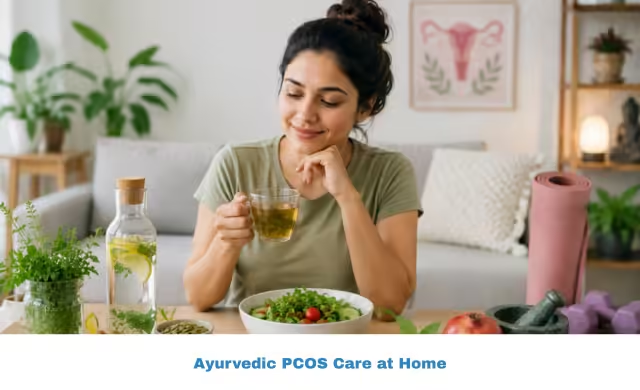
If you are looking for ayurvedic treatment for pcos at home, it is important to understand what can be safely managed with home care and what requires doctor supervision. Ayurveda provides several home-based strategies to support hormonal balance, ovulation, insulin sensitivity, and overall reproductive health.
Home care should be approached as complementary support, not a replacement for consultation, diagnosis, or prescribed treatments. For complete PCOS management including medicines and therapies, you can refer to our detailed guide on Ayurvedic treatment for PCOS.
What Can Be Done at Home vs What Needs a Doctor
At-home care can support:
- Diet and meal timing correction
- Lifestyle adjustments for sleep, stress, and activity
- Mild weight management
- Home remedies for digestion, metabolism, and hormonal balance
- Simple yoga and breathing exercises
- Tracking menstrual cycles and symptoms
Doctor-led care is required for:
- Severe acne, facial hair growth, or scalp thinning
- Significant menstrual irregularities
- Fertility planning
- Persistent insulin resistance or metabolic concerns
- Hormonal blood test abnormalities
- Chronic PCOS symptoms unresponsive to home care
- Requirement of medicines, Panchakarma, or other therapies
Home care provides supportive measures while professional evaluation ensures safe, effective, and personalized treatment.
Ayurvedic Home Remedies for PCOS (Safe Ones)
Some safe PCOS natural treatment at home remedies include:
- Fenugreek seeds – soaked in water, taken early morning to support insulin sensitivity
- Cinnamon powder – can support glucose regulation in small doses
- Triphala – for digestive support and bowel regularity
- Aloe vera juice – supports metabolism
- Ashwagandha – supports stress management and adrenal balance
Note: These are supportive remedies and must be discussed with a doctor, especially if you are on medication.
Lifestyle Practices: Sleep, Meal Timing, Dinacharya
Consistency in daily routine (Dinacharya) is essential:
- Sleep: 7–8 hours per night at regular times
- Wake-up: early morning preferably before sunrise
- Meals: at consistent times, avoid skipping meals
- Hydration: drink water regularly
- Physical activity: daily walks or light exercise
- Stress management: meditation, journaling, or pranayama
These practices help regulate hormonal rhythms, improve digestion, and support weight management.
Foods to Include and Avoid
Foods to Include:
- Whole grains like oats, quinoa, barley
- Fresh fruits and vegetables
- Protein-rich foods: lentils, legumes, tofu
- Healthy fats: nuts, seeds, ghee, coconut
- Fibre-rich foods for bowel regularity
Foods to Avoid:
- Refined sugar, white bread, and processed foods
- Deep-fried snacks
- Excess dairy if sensitive
- Soft drinks and sugary beverages
- Late-night heavy meals
A balanced diet improves insulin sensitivity, hormone regulation, and digestion.
Simple Yoga and Pranayama for PCOS
Home-based yoga and breathing exercises can support PCOS natural treatment at home:
- Surya Namaskar (Sun Salutations) – stimulates metabolism
- Baddha Konasana (Butterfly Pose) – supports reproductive health
- Bhujangasana (Cobra Pose) – improves circulation and hormonal balance
- Shitali/Sheetkari Pranayama – cooling effect, reduces stress
- Anulom Vilom (Alternate Nostril Breathing) – balances hormones and reduces anxiety
Practice daily under guidance and stop if you experience discomfort.
When Home Care Is Not Enough
Home-based PCOS care is supportive but cannot replace diagnosis, medicine, or therapies in cases of:
- Irregular or absent periods for multiple months
- Excessive weight gain or rapid changes
- Severe acne or hirsutism
- Infertility concerns
- Blood sugar abnormalities or insulin resistance
- Hormonal imbalance confirmed by tests
- Symptoms worsening despite home remedies
In these situations, doctor-guided PCOS treatment is recommended.
Visit Us At –
Rajajinagar- 08065903133
Hubballi – 08065903145
Indiranagar- 08065903135
Mumbai-08065903118
Yelahanka- 08065903134
Mangaluru-08065903136
Chamrajpet-08065903132
FAQs
1. How to treat PCOS in Ayurveda at home?
Safe at-home measures include diet correction, lifestyle adjustment, yoga, simple herbal remedies, and stress management. Severe symptoms should be evaluated by a doctor.
2. Can I manage PCOS with home remedies alone?
Home care supports symptom management but may not address ovulatory issues, insulin resistance, or hormonal imbalance. Professional guidance is recommended.
3. Which herbs are safe at home?
Triphala, fenugreek, cinnamon, aloe vera, and Ashwagandha may be used as supportive remedies under doctor supervision.
4. How often should I track my menstrual cycle?
Track cycles daily using a journal or app to monitor irregularities and ovulation patterns. This helps guide diet, lifestyle, and professional consultation.
5. Can yoga really help PCOS?
Yoga and pranayama support metabolism, reduce stress, and help hormone balance. Consistency and proper guidance are key.
6. When should I consult a doctor?
If symptoms persist, worsen, or affect fertility, weight, skin, or metabolic markers, seek Ayurvedic consultation.
7. Can home remedies replace medicines?
No. Home remedies are supportive. Medications or therapies may be required depending on type and severity.
Praanavaidya
Healthcare Professional
Focused on patient-centric care and evidence-based treatment plans.
More from Praanavaidya