Kidney stones are hard deposits that can develop within the urinary system when certain substances in urine become highly concentrated and form crystals. They can range from very small particles to larger stones that may obstruct the urinary tract.
Pain associated with kidney stones can be intense, particularly when a stone moves through the urinary passage. Depending on the size and location of the stone, some stones may pass naturally, while others may require medical intervention.
Ayurveda has traditionally described urinary stones under the concept of Mutrashmari, a condition associated with the formation of stone-like structures in the urinary system.
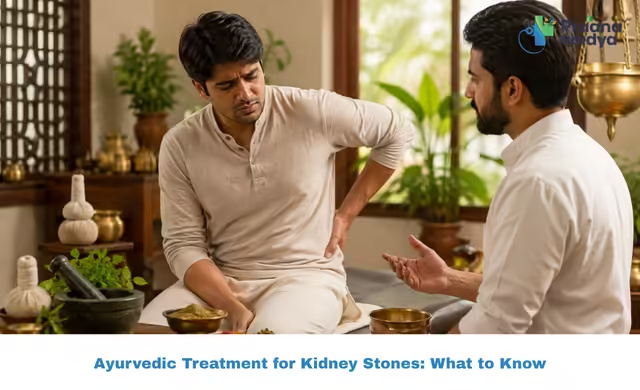
The Ayurvedic approach to kidney stones may involve dietary guidance, hydration, lifestyle measures, herbal preparations, and other traditional therapies selected according to the individual’s constitution and condition.
However, kidney stones can sometimes cause urinary obstruction or infection. Therefore, Ayurvedic treatment for kidney stones should not be used as a reason to delay appropriate medical evaluation, especially when severe symptoms are present.
At Praanavaidya, consultation can help assess an individual’s symptoms, health history, dietary habits, and Ayurvedic factors before recommending an appropriate approach.
What Are Kidney Stones?
Kidney stones are solid crystalline deposits that form when certain substances in urine become concentrated enough to crystallise.
Common types include:
- Calcium oxalate stones
- Calcium phosphate stones
- Uric acid stones
- Struvite stones
- Cystine stones
The underlying cause can vary.
Factors that may increase the likelihood of kidney stones include:
- Low fluid intake
- High urinary concentration
- Certain dietary patterns
- Family history
- Previous kidney stones
- Some medical conditions
- Certain medications
- Recurrent urinary infections
Understanding the type and cause of a stone can be important when planning prevention.
What Causes Kidney Stones?
From a modern medical perspective, kidney stones can develop when urine contains high concentrations of substances capable of forming crystals.
Factors include:
Inadequate Hydration
Not drinking enough fluid can make urine more concentrated.
Dietary Factors
Depending on the individual and stone type, high intake of certain foods or excessive salt may contribute to stone risk.
Family History
Some people have a genetic tendency toward recurrent stones.
Previous Stones
A history of kidney stones increases the likelihood of developing them again.
Certain Medical Conditions
Some metabolic and digestive conditions can increase stone risk.
Urinary Tract Infections
Certain infections can contribute to specific types of stones.
This is why stone prevention should ideally be personalised rather than based on one universal diet.
How Does Ayurveda Approach Kidney Stones?
The Ayurvedic approach may consider the individual’s overall constitution and the factors associated with urinary health.
Assessment may include:
- Prakriti
- Vikriti
- Diet
- Fluid intake
- Digestion
- Bowel habits
- Urination pattern
- Lifestyle
- Previous history of stones
- Seasonal factors
- Current symptoms
Traditional Ayurvedic care may then focus on supporting appropriate urinary function and reducing factors that may contribute to recurrence.
The exact treatment depends on the individual’s condition.
Can Ayurveda Dissolve Kidney Stones?
This is one of the most important questions patients ask.
The answer depends on the stone’s size, location, composition, and clinical situation.
Some small stones may pass naturally without invasive treatment. Larger or obstructing stones may require medical procedures.
Certain Ayurvedic medicines are traditionally used for urinary stone-related conditions, but they should not be promoted as guaranteed stone-dissolving treatments.
If imaging shows a large stone or urinary obstruction, relying solely on home remedies or delaying medical treatment can be unsafe.
An appropriate medical assessment should determine whether observation, medication, a procedure, or another intervention is required.
Role of Hydration in Kidney Stone Management
Adequate fluid intake is one of the most important general measures for reducing kidney stone risk.
Drinking sufficient water helps increase urine volume and can reduce the concentration of substances that contribute to stone formation.
However, fluid requirements are not identical for everyone.
They may vary according to:
- Climate
- Activity level
- Body size
- Kidney function
- Medical conditions
- Fluid losses
- Stone type
People with certain kidney, heart, or other medical conditions may have specific fluid restrictions.
Therefore, hydration advice should be individualised when a medical condition is present.
Dietary Approach to Kidney Stone Prevention
Diet plays an important role in kidney stone prevention.
However, the appropriate dietary recommendations depend partly on the type of stone.
General principles may include:
Maintain Adequate Fluid Intake
Water should generally form the foundation of hydration.
Moderate Salt Intake
High sodium intake can increase urinary calcium in some individuals and contribute to stone risk.
Avoid Extreme Diets
Highly restrictive diets may create nutritional problems without addressing the actual cause of recurrent stones.
Maintain Balanced Nutrition
A balanced diet containing appropriate amounts of fruits, vegetables, grains, protein, and healthy fats is preferable to extreme dietary restriction.
Individualise Oxalate Advice
Foods high in oxalate may be relevant for people with calcium oxalate stones, but completely eliminating every oxalate-containing food is not appropriate for everyone.
Ayurvedic Herbal Support for Kidney Stones
Traditional Ayurveda includes herbs and formulations used for urinary health and Mutrashmari.
Depending on the individual, practitioners may consider herbs traditionally associated with:
- Urinary flow
- Diuretic activity
- Urinary comfort
- Support for the urinary tract
Commonly discussed Ayurvedic herbs in this context include ingredients such as Gokshura, Punarnava, Pashanabheda, and Varuna.
However, naming an herb does not mean that it is appropriate for every person.
The preparation, dose, quality, duration, kidney function, and other medications being taken all matter.
Symptoms of Kidney Stones
Symptoms can vary according to the stone’s location and movement.
Common symptoms may include:
- Severe pain in the side or back
- Pain radiating toward the lower abdomen or groin
- Pain that comes and goes in waves
- Burning during urination
- Frequent urge to urinate
- Blood in the urine
- Nausea
- Vomiting
- Difficulty passing urine
Some small kidney stones may cause few or no symptoms.
When Is Kidney Stone Pain an Emergency?
Certain symptoms require prompt medical attention.
Seek urgent medical care if kidney stone symptoms occur with:
- Fever
- Chills
- Severe or worsening pain
- Persistent vomiting
- Difficulty passing urine
- Very little urine
- Blood in the urine with severe symptoms
- Known urinary obstruction
- A single functioning kidney
- Pregnancy
- Significant weakness or confusion
A blocked urinary tract combined with infection can become serious.
In such situations, Ayurvedic treatment should not delay emergency medical care.
Can Kidney Stones Be Prevented?
Recurrence is common in people who have previously developed kidney stones, making prevention important.
Preventive measures may include:
- Maintaining adequate hydration
- Limiting excessive salt
- Following a balanced diet
- Maintaining a healthy body weight
- Avoiding unnecessary extreme diets
- Understanding the stone type
- Following medical advice
- Monitoring recurrent stones
For people with repeated stones, testing the stone composition and appropriate metabolic evaluation can help identify specific risk factors.
Can Ayurvedic Treatment Be Combined With Modern Kidney Stone Care?
Depending on the situation, Ayurvedic care may be considered alongside conventional medical management.
For example, a patient may receive appropriate medical monitoring while also receiving Ayurvedic guidance regarding:
- Diet
- Hydration
- Lifestyle
- Stress management
- Selected herbal preparations
However, herbal products can interact with medicines or affect kidney function.
Patients should inform their doctors and Ayurvedic practitioners about all medications, supplements, and herbal products they are taking.
What Should You Avoid if You Have Kidney Stones?
Avoid relying on unverified remedies that claim to dissolve every type of stone.
Also avoid:
- Delaying evaluation for severe pain
- Ignoring fever with urinary symptoms
- Taking large quantities of herbs without guidance
- Excessive dehydration
- Extreme diets
- Excessive salt intake
- Stopping prescribed medicines without medical advice
- Assuming every urinary symptom is caused by kidney stones
Correct diagnosis matters.
Conclusion
The Ayurvedic approach to kidney stones is traditionally discussed under the concept of Mutrashmari and may focus on urinary health, diet, hydration, lifestyle, and selected herbal preparations.
Ayurvedic treatment for kidney stones should be individualised rather than based on a single herbal remedy or home preparation. Factors such as stone size, location, composition, symptoms, kidney function, and the possibility of urinary obstruction are important when deciding how a stone should be managed.
Traditional Ayurvedic herbs such as Pashanabheda, Gokshura, Punarnava, and Varuna are used in certain formulations, but they should be selected and administered appropriately rather than self-prescribed in concentrated forms.
Most importantly, severe pain, fever, chills, vomiting, or difficulty passing urine should receive prompt medical attention. Ayurveda can be explored as part of an individualised approach to urinary health, but it should not delay necessary medical or surgical care.
At Praanavaidya, consultation can help assess your individual health, dietary patterns, Ayurvedic factors, and available medical reports before discussing an appropriate Ayurvedic approach to kidney stone management and prevention.
Visit Us in-
Rajajinagar- 08065903133
Hubballi – 08065903145
Indiranagar- 08065903135
Mumbai-08065903118
Yelahanka- 08065903134
Mangaluru-08065903136
Chamrajpet-08065903132
Delhi-08065903140
Lucknow-08065903130
Frequently Asked Questions
What is the Ayurvedic name for kidney stones?
Ayurvedic literature describes urinary stone-related conditions under the concept of Mutrashmari. It is a traditional Ayurvedic framework and should not automatically be considered identical to every modern type of kidney stone.
Can Ayurvedic treatment remove kidney stones?
Some small stones may pass naturally, while others require medical treatment. Ayurvedic therapies are traditionally used for Mutrashmari and urinary health, but they should not be presented as a guaranteed way to dissolve or remove every kidney stone.
Can I drink more water to flush out a kidney stone?
Adequate hydration is important, but forcing excessive amounts of water is not appropriate in every situation. People with certain medical conditions may have fluid restrictions.
What should I eat if I have kidney stones?
Dietary recommendations depend on the type of stone. General measures may include adequate hydration, moderate salt intake, and a balanced diet. Specific dietary restrictions should be based on medical evaluation where possible.
Can kidney stones come back after treatment?
Yes. People who have had one kidney stone may develop another. Identifying the stone type and addressing individual risk factors can help with prevention.
Is kidney stone pain always severe?
No. Symptoms vary depending on the stone’s size and location. Some stones may cause minimal symptoms or may be discovered incidentally.
When should kidney stone pain be treated urgently?
Severe pain accompanied by fever, chills, vomiting, difficulty passing urine, or other concerning symptoms requires prompt medical assessment.
Can Ayurvedic treatment be taken with kidney stone medicines?
It may be possible in some situations, but herbal products can interact with medications. Always inform your healthcare providers about all herbs, supplements, and medicines you are using.
Praanavaidya
Healthcare Professional
Focused on patient-centric care and evidence-based treatment plans.
More from Praanavaidya