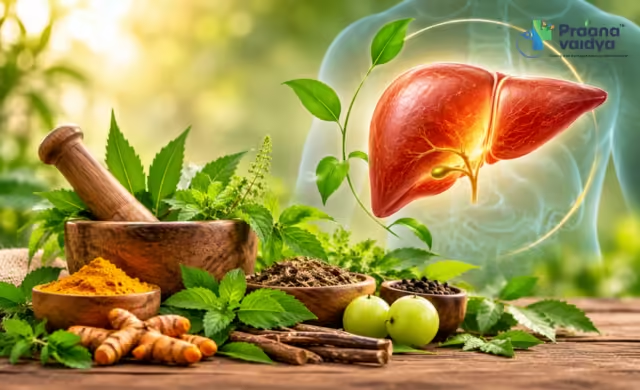

Ama in Ayurveda is considered one of the primary causes of many health problems. According to Ayurvedic principles, Ama refers to toxic, undigested metabolic waste that accumulates in the body when digestion and metabolism become weak. Rather than being a specific disease, Ama is viewed as an underlying factor that may contribute to digestive disorders, joint pain, skin problems, fatigue, allergies, and several chronic conditions.
At Praanavaidya, Ayurvedic physicians carefully evaluate the presence of Ama by assessing digestion, dosha imbalance, lifestyle, and overall health before recommending a personalized treatment plan. Understanding Ama is the first step toward restoring balance and supporting long-term wellness.
What Is Ama in Ayurveda?
Ama in Ayurveda refers to improperly digested food, toxins, and metabolic waste that remain in the body due to weakened digestive fire, known as Agni. When food is not fully digested and absorbed, it produces sticky, heavy substances that obstruct the body’s natural channels (Srotas).
These toxins can interfere with normal physiological functions and disturb the balance of Vata, Pitta, and Kapha doshas.
In simple terms, Ama can be understood as the body’s accumulated waste that has not been properly processed or eliminated.
How Does Ama Form?
Ayurveda believes that strong digestion is the foundation of good health. When Agni becomes weak, food is not completely digested, leading to Ama formation.
Common causes include:
- Overeating
- Eating before the previous meal is digested
- Consuming processed and junk foods
- Heavy, oily, or excessively sweet foods
- Irregular meal timings
- Poor sleep
- Chronic stress
- Lack of physical activity
- Excessive cold foods and beverages
- Weak digestive capacity
Over time, this accumulation may begin affecting multiple body systems.
The Role of Agni in Preventing Ama
Agni is often described as the body’s digestive and metabolic fire.
Its functions include:
- Digesting food
- Absorbing nutrients
- Supporting metabolism
- Maintaining immunity
- Eliminating waste
When Agni functions optimally, food is converted into healthy tissues. When it weakens, Ama in Ayurveda develops and begins to circulate throughout the body.
For this reason, Ayurvedic treatment often focuses first on improving Agni.
Signs and Symptoms of Ama
Ama may present differently depending on the individual and the doshas involved.
Common symptoms include:
- Constant fatigue
- Feeling heavy after meals
- Bloating
- Indigestion
- Coated tongue
- Bad breath
- Poor appetite
- Constipation
- Sticky stools
- Joint stiffness
- Body aches
- Frequent colds
- Skin eruptions
- Brain fog
- Low energy
- Reduced immunity
These symptoms do not necessarily confirm Ama but may indicate digestive imbalance that requires professional evaluation.
Types of Ama According to Ayurveda
1. Amasaya Ama
Forms within the digestive tract due to incomplete digestion.
Symptoms often include:
- Gas
- Bloating
- Nausea
- Poor appetite
2. Dhatu Ama
Occurs when improperly processed nutrients affect body tissues.
It may contribute to:
- Weak muscles
- Fatigue
- Poor tissue nourishment
3. Dosha Ama
When Ama combines with aggravated doshas, symptoms become more specific.
Examples include:
Vata Ama
- Joint pain
- Constipation
- Dryness
- Body aches
Pitta Ama
- Skin inflammation
- Acidity
- Burning sensation
- Irritability
Kapha Ama
- Excess mucus
- Weight gain
- Congestion
- Lethargy
Diseases Associated with Ama
According to Ayurveda, persistent Ama may contribute to various health concerns.
These include:
- Digestive disorders
- Arthritis
- Joint pain
- Obesity
- Skin diseases
- Allergies
- Sinusitis
- Chronic fatigue
- Metabolic disorders
- Certain autoimmune conditions
Ayurveda considers Ama as one of several contributing factors rather than the sole cause of disease.
Ayurvedic Treatment for Ama
Managing Ama in Ayurveda involves removing accumulated toxins while restoring healthy digestion.
Treatment is always individualized.
1. Deepana
Deepana therapies stimulate weakened digestive fire.
This helps prepare the digestive system before toxin removal.
2. Pachana
Pachana supports the digestion of existing Ama.
Herbal medicines are selected based on dosha imbalance and digestive capacity.
3. Panchakarma
When clinically indicated, Panchakarma therapies help eliminate accumulated toxins.
Depending on the patient’s condition, treatment may include:
- Virechana
- Vamana
- Basti
- Nasya
- Raktamokshana
These therapies are recommended only after physician assessment.
4. Personalized Herbal Medicines
Ayurvedic formulations are selected according to:
- Dosha
- Agni
- Ama severity
- Existing medical conditions
Self-medication is not recommended.
Diet to Reduce Ama
Diet plays a major role in reducing Ama accumulation.
Foods generally encouraged include:
- Warm freshly cooked meals
- Light soups
- Green vegetables
- Whole grains
- Ginger
- Cumin
- Coriander
- Warm water
Foods often limited include:
- Processed foods
- Deep-fried items
- Cold drinks
- Excess dairy
- Refined sugar
- Heavy desserts
- Leftover food
Diet recommendations should always be personalized.
Lifestyle Changes That Help Prevent Ama
Healthy habits support digestion and reduce toxin accumulation.
Recommendations include:
- Eat at regular times
- Avoid overeating
- Exercise regularly
- Sleep adequately
- Manage stress
- Stay hydrated
- Avoid eating late at night
- Practice mindful eating
- Reduce sedentary habits
Consistency is essential for maintaining healthy digestion.
Can Panchakarma Help Remove Ama?
Yes, when prescribed appropriately.
Panchakarma therapies aim to:
- Support natural detoxification
- Improve digestion
- Balance doshas
- Promote healthy metabolism
- Support overall wellness
Not every patient requires Panchakarma. Treatment depends on individual assessment.
Restore Balance with Praanavaidya
Healthy digestion is the cornerstone of Ayurveda. When digestion weakens, Ama may accumulate and gradually affect multiple aspects of health. Early recognition and personalized Ayurvedic care can help restore digestive balance, improve metabolism, and support overall well-being.
At Praanavaidya, our experienced Ayurvedic physicians develop individualized treatment plans based on your body constitution, digestive strength, and health concerns. Whether you experience chronic digestive issues, fatigue, joint discomfort, or recurrent skin problems, our holistic approach focuses on addressing the root cause rather than simply managing symptoms.
Visit Us At –
Rajajinagar- 08065903133
Hubballi – 08065903145
Indiranagar- 08065903135
Mumbai-08065903118
Yelahanka- 08065903134
Mangaluru-08065903136
Chamrajpet-08065903132
Frequently Asked Questions
What is Ama in Ayurveda?
Ama refers to improperly digested food and metabolic waste that accumulates due to weakened digestion.
Can Ama cause joint pain?
Ayurveda considers Ama one of the factors that may contribute to inflammatory joint disorders.
How do I know if I have Ama?
Common signs include coated tongue, poor digestion, bloating, fatigue, and heaviness. An Ayurvedic physician can perform a detailed evaluation.
Can Panchakarma remove Ama?
Panchakarma may help eliminate accumulated toxins when clinically indicated and performed under physician supervision.
Can Ama return after treatment?
Yes. If unhealthy eating habits and lifestyle factors continue, Ama may accumulate again. Maintaining healthy digestion is important for long-term wellness.
Praanavaidya
Healthcare Professional
Focused on patient-centric care and evidence-based treatment plans.
More from Praanavaidya