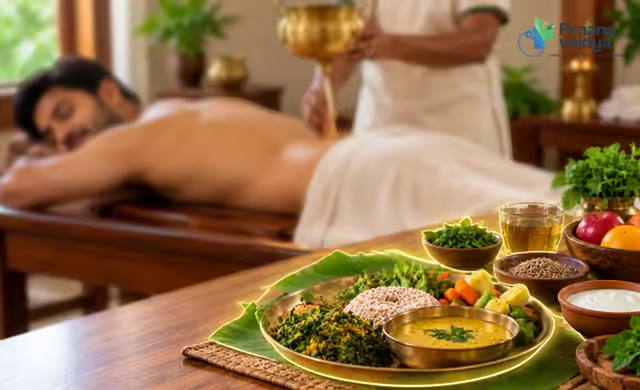
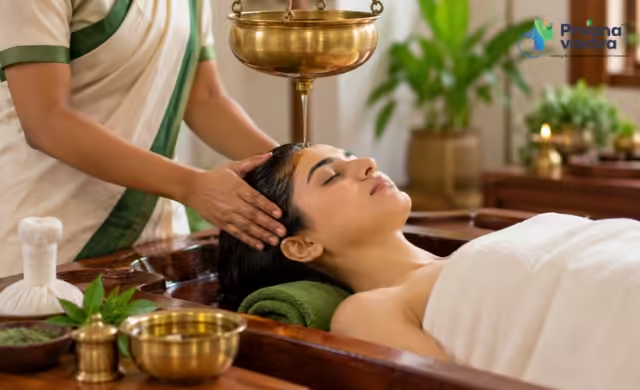
If you are considering Panchakarma, one of the first questions that may come to mind is simple: Is Panchakarma painful?
There is no single experience for everyone. Panchakarma can involve different therapies and schedules, so what a person notices can vary from one treatment plan to another.
At Praanavaidya, patients are encouraged to understand their planned therapies before they begin. This guide covers what to expect before, during and after Panchakarma and which questions are worth asking.
Thinking about Panchakarma?
Is Panchakarma painful?
Panchakarma is not one single procedure. It is a structured Ayurvedic treatment approach that can include different therapies depending on the plan prepared for an individual.
Because of this, asking whether Panchakarma is painful cannot be answered with a simple yes or no. Some parts may feel unfamiliar or uncomfortable, depending on the therapy, duration and personal comfort level.
A friend’s description may not match your own plan, so avoid using someone else’s experience as a prediction.
Why does the Panchakarma experience vary from person to person?
The treatment plan is different
Panchakarma is not necessarily the same for every patient. The therapies included, the order in which they are provided and the overall schedule can differ.
Before starting, ask for a clear explanation of:
- Which therapies are planned
- How often they will be provided
- What each session involves
- How long each session may take
- What you should do before and after a session
Knowing what to expect can make the process feel much less uncertain.
Communication matters
A treatment experience is easier to understand when patients know what is happening and can communicate concerns. If you are unsure about a step or feel uncomfortable, ask the practitioner to explain or address it.
What do patients experience before Panchakarma?
The experience begins before the first therapy session. A consultation may cover your concerns, routine, food habits, relevant health information and expectations, followed by an explanation of the proposed plan and schedule.
These questions are especially useful for first-time patients.
What does Panchakarma feel like during treatment?
There is no single description that applies to every Panchakarma experience. The treatment environment may include specific instructions before a session, a defined sequence during therapy and guidance about what to do afterwards.
For some people, the unfamiliar part is simply not knowing what comes next.
Instead of asking only, “Will Panchakarma hurt?”, it can be more helpful to ask:
- What will I feel during this particular therapy?
- How long will the session last?
- Will I need to remain in one position?
- What happens immediately after the session?
- Who can I speak to if I feel uncomfortable?
Specific questions can make the consultation more useful.
Pain and discomfort are not the same experience
When people search for “Panchakarma pain”, they may actually be asking whether the treatment will feel strange, uncomfortable or difficult to tolerate.
Those are different concerns.
A new therapy can feel unfamiliar without necessarily being described as painful. You also should not feel that you have to ignore significant discomfort.
If something feels painful, unusually uncomfortable or concerning, communicate it to the practitioner.
How can you prepare for a more comfortable Panchakarma experience?
Preparation is mainly about reducing avoidable uncertainty.
Understand your schedule
Know your appointment timings, expected session duration and any instructions given to you.
Share your concerns
If you are nervous about pain, temperature, positioning, privacy or any other part of the process, mention it during your consultation.
Plan your routine
If your treatment schedule includes multiple sessions or specific daily instructions, plan your work, travel and personal commitments accordingly.
Follow the instructions given to you
Avoid creating your own preparation or recovery routine based on something you read online. Your clinic should explain what applies to your particular plan.
What happens after a Panchakarma session?
The post-treatment experience can also vary depending on the therapy and schedule. You may receive instructions about food, rest, daily activities or the next appointment.
Ask what applies to your plan and who you should contact if you have questions after leaving the centre.
A clearly explained schedule also helps you know what the next step is.
Considering Panchakarma but unsure what the process will be like? Talk to Praanavaidya about your planned therapies, schedule and questions before you begin.
Is Panchakarma different at every Ayurvedic centre?
The patient experience can differ between centres because treatment plans, practitioner approaches, session schedules, facilities and communication processes may not be identical.
When comparing Panchakarma centres, look beyond the treatment name. Consider whether the centre clearly explains:
- Who will guide your treatment
- How your plan is decided
- What each session involves
- What instructions you receive between sessions
- How questions or discomfort are handled
- What follow-up support is available
A clear consultation can help you compare centres more thoughtfully.
Panchakarma at Praanavaidya
Praanavaidya provides Panchakarma-focused Ayurvedic care across multiple locations, including Bangalore, Hubballi, Mangalore, Mumbai, Delhi and Lucknow.
For patients considering Panchakarma, the starting point is understanding the individual treatment plan rather than assuming every patient follows the same process.
During your consultation, discuss your concerns openly. If your main question is “Is Panchakarma painful?”, tell the practitioner exactly what you are worried about. You can then ask about the therapies planned, what each session involves and how your daily routine may be affected.
What should you ask before starting Panchakarma?
A short checklist can make your consultation more useful:
- What is included in my Panchakarma plan?
- What should I expect during each therapy?
- Which parts may feel unfamiliar or uncomfortable?
- How long will the overall schedule be?
- What preparation is required?
- What should I expect after each session?
- Who can I contact if I have a concern?
- How will the treatment plan be reviewed during the process?
These questions are useful whether you are exploring Panchakarma for the first time or comparing different centres.
Final thoughts: Is Panchakarma painful?
There is no single Panchakarma experience that applies to every patient. The treatment plan, therapies involved, schedule and personal comfort can all influence what the experience feels like.
If you are searching for answers to “Is Panchakarma painful?”, focus on understanding your specific plan rather than relying on a simple yes-or-no answer.
A good consultation should give you a clear picture of what is planned, what you may experience and what to do if you have concerns.
Looking to understand Panchakarma before you begin? Connect with Praanavaidya for a consultation in
Rajajinagar- 08065903133
Hubballi – 08065903145
Indiranagar- 08065903135
Mumbai-08065903118
Yelahanka- 08065903134
Mangaluru-08065903136
Jayanagar- 08065903132
Delhi-08065903140
Lucknow-08065903130
Praanavaidya
Healthcare Professional
Focused on patient-centric care and evidence-based treatment plans.
More from Praanavaidya