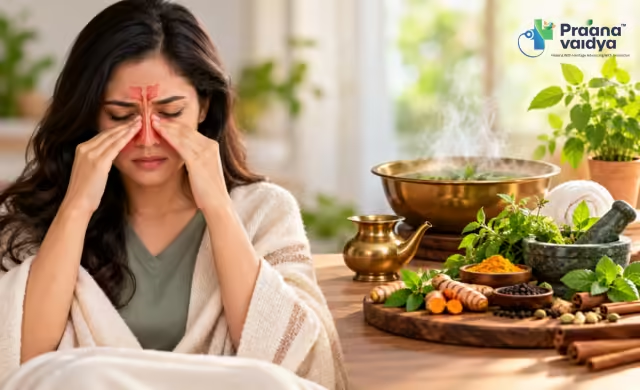
Sinusitis can make everyday activities uncomfortable, especially when nasal congestion, facial pressure, headache, or changes in smell persist. Many people searching for sinusitis treatment in Ayurveda also want to understand the condition, recognise common symptoms, and learn about simple home-care practices.
This guide from Praanavaidya explains sinusitis in simple terms, outlines commonly reported symptoms, discusses everyday home remedies, and describes what an Ayurveda consultation may involve. The goal is to provide useful information while helping readers understand when professional evaluation may be appropriate.
If you are exploring Ayurveda for recurring sinus-related concerns, contact Praanavaidya to learn about consultation options.
What Is Sinusitis?
Sinusitis refers to inflammation or swelling involving the tissues lining the sinuses. The sinuses are air-filled spaces located around the nose and eyes. When these areas are affected, people may notice congestion, nasal discharge, facial pressure, or changes in their sense of smell.
Sinusitis may be described as acute or chronic depending on the duration and pattern of symptoms. Some episodes occur for a limited period, while recurring or persistent symptoms may require a more detailed evaluation.
It is also useful to distinguish sinusitis from a simple blocked nose. Similar symptoms can occur with colds, allergies, environmental irritants, or other nasal conditions. Since symptoms can overlap, persistent concerns should not be self-diagnosed.
Common Sinusitis Symptoms
Sinusitis symptoms can vary from person to person. Commonly reported symptoms include:
- Blocked or stuffy nose
- Nasal discharge or mucus
- Facial pressure or a feeling of fullness around the cheeks, forehead, or nose
- Headache or facial discomfort
- Reduced or altered sense of smell
- Postnasal drainage
- Cough, particularly when mucus drains towards the throat
- Bad breath
- A feeling of pressure around the eyes or face
Not everyone experiences all of these symptoms. The pattern, duration, and severity are useful details to discuss during a professional consultation.
Acute and Chronic Sinusitis
Acute sinusitis is generally used to describe a shorter episode, while chronic sinusitis refers to symptoms that continue for a longer period or repeatedly return.
If nasal congestion, facial pressure, or other sinus-related symptoms keep returning, it can be useful to maintain a simple record. Note when symptoms appear, how long they last, possible environmental exposures, sleep disruption, and any previous care received.
This information can give a healthcare professional a clearer picture of the pattern.
Sinusitis in Ayurveda: An Overview
Ayurveda has its own traditional framework for understanding nasal and respiratory concerns. Traditional Ayurvedic discussions may consider factors such as dosha balance, accumulated secretions, digestion, environment, seasonal changes, and daily habits.
An Ayurveda consultation is generally individualised rather than based on one remedy for everyone. A practitioner may discuss symptoms, daily routine, food habits, sleep, seasonal factors, environmental exposure, and previous health history before considering an appropriate care plan.
At Praanavaidya, Ayurveda consultations are approached through personalised, doctor-guided care. Depending on the individual assessment, the practitioner may discuss Ayurveda-based medicines, therapies, dietary considerations, and lifestyle practices.
These options are not universal. Their suitability depends on the individual’s health circumstances and should be discussed with a qualified practitioner.
Common Home Remedies for Sinusitis
Home care is one of the common reasons people search for sinusitis home remedies. The following are general self-care practices rather than guaranteed treatments.
Stay Hydrated
Drinking adequate fluids is a simple everyday habit. Water and other suitable fluids can be included according to individual preferences and health needs.
Use Saline Nasal Rinsing Carefully
Some people include saline nasal rinsing in their nasal-care routine. If you use a nasal rinse, water safety is important.
Use distilled, sterile, or previously boiled and cooled water and follow the instructions provided with the device or product. Untreated tap water should not be used for nasal irrigation.
Keep Indoor Air Comfortable
Dry indoor air can be uncomfortable for some people. A clean humidifier may be considered when appropriate, with regular cleaning to prevent unwanted buildup.
Maintaining a comfortably humid indoor environment may also be preferable to exposing yourself to very hot steam.
Avoid Very Hot Steam
Steam inhalation is a commonly discussed home remedy for sinus congestion. However, very hot steam can cause burns.
If you prefer warm moisture, a warm shower is a safer everyday option than leaning over a container of boiling water.
Reduce Exposure to Irritants
Smoke, strong fragrances, dust, and other airborne irritants may be relevant for people who notice a connection between their surroundings and nasal symptoms.
Keeping frequently used spaces reasonably clean and reducing exposure to known irritants can be practical parts of everyday care.
Maintain a Consistent Routine
Adequate rest, regular sleep, hydration, and a manageable daily routine are useful general wellness practices.
If sinus-related symptoms repeatedly interfere with sleep or normal activities, consider discussing the pattern with a healthcare professional.
When Should You Seek Professional Evaluation?
Home remedies should not replace professional assessment when symptoms are persistent, severe, unusual, or repeatedly returning.
Consider seeking professional evaluation when you experience:
- Symptoms that persist or repeatedly return
- Significant or worsening facial pain or swelling
- High fever or feeling markedly unwell
- Vision changes or swelling around the eyes
- A severe or unusual headache
- Symptoms following an injury
- Breathing difficulty
- Symptoms that substantially interfere with sleep or normal activities
These signs do not identify a specific condition by themselves. They are reasons to seek appropriate professional assessment rather than relying only on home remedies.
If you want to understand whether an Ayurveda consultation is appropriate for your concerns, Praanavaidya offers doctor-guided consultation options across its multiple centres.
What to Expect During an Ayurveda Consultation for Sinusitis
People searching for Ayurvedic treatment for sinusitis often want more than a list of home remedies. They may also want to know what happens during a consultation.
A doctor-guided consultation may include:
1. Symptom Discussion
The practitioner may ask about congestion, nasal discharge, facial pressure, headaches, changes in smell, recurrence, and how long symptoms have been present.
2. Daily Routine Review
Sleep, food habits, work environment, seasonal exposure, and other lifestyle factors may be discussed.
3. Previous Care
Sharing previous diagnoses, medicines, investigations, allergies, and other relevant health information can provide useful context.
4. Individualised Planning
Following the consultation, the practitioner may discuss suitable Ayurveda-based medicines, therapies, dietary considerations, or lifestyle practices based on the individual’s circumstances.
5. Follow-Up Planning
The practitioner can explain what to monitor and when a follow-up consultation may be appropriate.
This approach is different from choosing a single remedy based only on a symptom. The suitability of any Ayurvedic medicine or therapy depends on the individual and should be discussed with a qualified practitioner.
Sinusitis Prevention and Everyday Habits
There is no single routine that guarantees prevention of sinus problems. However, paying attention to everyday factors can help people understand their own symptom patterns.
Useful habits to consider include:
- Keeping frequently used rooms reasonably clean
- Limiting exposure to cigarette smoke and strong airborne irritants
- Maintaining regular sleep and hydration habits
- Washing hands regularly, particularly during periods of frequent respiratory illness
- Tracking recurring symptoms and possible environmental patterns
- Following professional guidance when an underlying nasal or respiratory issue has already been identified
A simple symptom diary can be particularly useful when symptoms come and go. Record the date, duration, major symptoms, environmental exposure, sleep quality, and any care already used.
Ayurveda and Sinusitis: What Should You Keep in Mind?
Searches for sinusitis treatment in Ayurveda often bring up numerous home remedies and traditional practices. It is important to distinguish general wellness information from individual healthcare.
Ayurvedic medicines and therapies are not interchangeable between people. A remedy found online may not be suitable for someone with other health conditions, allergies, medication use, pregnancy, or other individual considerations.
For persistent or recurring sinus symptoms, appropriate professional evaluation can help clarify whether the symptoms are consistent with sinusitis or another condition. Ayurveda can then be discussed as part of an individualised care conversation where appropriate.
For Ayurveda consultations related to sinus and respiratory wellness, connect with Praanavaidya at its centres in
Rajajinagar- 08065903133
Hubballi – 08065903145
Indiranagar- 08065903135
Mumbai-08065903118
Yelahanka- 08065903134
Mangaluru-08065903136
Jayanagar- 08065903132
Delhi-08065903140
Lucknow-08065903130
Frequently Asked Questions
Is sinusitis treated in Ayurveda?
Ayurveda has its own traditional approach to nasal and respiratory concerns. A qualified practitioner may assess symptoms, routine, and individual health context before discussing suitable Ayurveda-based care. No single approach is appropriate for everyone.
What are the common symptoms of sinusitis?
Commonly reported symptoms include nasal congestion, nasal discharge, facial pressure, headache, reduced sense of smell, postnasal drainage, cough, and bad breath. These symptoms can also occur with other nasal conditions.
What are some home remedies for sinusitis?
Common self-care measures include staying hydrated, maintaining comfortable indoor humidity, reducing exposure to smoke and strong irritants, and using saline nasal rinses safely. Home remedies should not replace professional evaluation when symptoms are persistent or severe.
Is steam inhalation a home remedy for sinusitis?
Steam inhalation is commonly discussed as a home-care practice. However, very hot steam can cause burns. If using warm moisture, a warm shower is a safer option than inhaling steam from boiling water.
Can sinusitis keep coming back?
Sinus-related symptoms may recur in some people. If congestion, facial pressure, discharge, or other symptoms repeatedly return, keeping a symptom record and discussing the pattern with a healthcare professional can be useful.
When should I see a doctor for sinusitis symptoms?
Consider professional evaluation for persistent, severe, unusual, or repeatedly returning symptoms, particularly when there is significant swelling, vision changes, breathing difficulty, or marked illness.
What happens during an Ayurveda consultation for sinusitis?
A practitioner may discuss symptoms, duration, daily routine, food habits, sleep, environmental factors, previous care, and relevant health history. Based on the consultation, personalised Ayurveda-based medicines, therapies, diet, or lifestyle practices may be discussed.
Praanavaidya
Healthcare Professional
Focused on patient-centric care and evidence-based treatment plans.
More from Praanavaidya