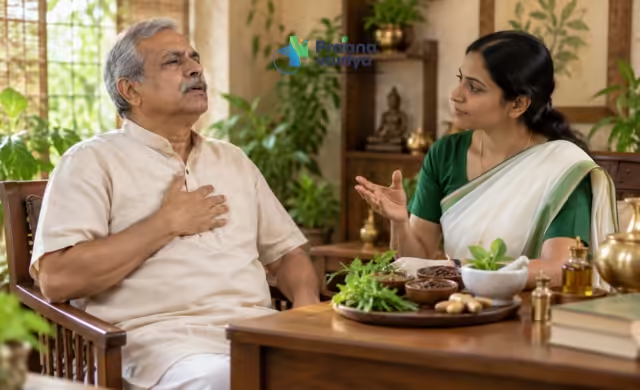
Breathlessness can change how a person works, walks, sleeps, and manages everyday activities. In chronic obstructive pulmonary disease (COPD), symptoms such as breathlessness, cough, wheezing, and mucus can continue over time and may become worse during flare-ups.
When people search for Ayurveda for COPD, they are often looking for supportive ways to manage daily wellbeing. Ayurveda may be considered as a complementary approach, with attention to lifestyle, food habits, activity, relaxation, and personalised care. It should not replace prescribed COPD medicines, pulmonary rehabilitation, oxygen therapy, or other medical treatment.
At Praanavaidya, an Ayurvedic consultation can look at the person’s overall health and daily routine before suggesting supportive measures.
Considering Ayurveda alongside your COPD care?
What is COPD?
COPD is a long-term lung disease that makes it harder for air to move through the lungs. It commonly includes chronic bronchitis and emphysema.
Common COPD symptoms include:
- Breathlessness, particularly during activity
- Persistent cough
- Mucus or phlegm
- Wheezing
- Chest tightness
- Tiredness or reduced ability to exercise
Long-term exposure to tobacco smoke is an important risk factor. Other contributors can include household air pollution, workplace dust and fumes, and outdoor air pollution. The World Health Organization’s COPD fact sheet provides further information.
Why does COPD cause chronic breathlessness?
COPD can change the airways and lung tissue, making it harder to move air efficiently. Some people also produce more mucus or experience reduced exercise capacity.
Breathlessness can then lead to less physical activity. Over time, reduced activity may affect fitness and muscle strength, making everyday tasks feel more difficult.
That is why COPD management is usually broader than one treatment. Depending on the individual, medical care may include prescribed medicines, smoking cessation, vaccinations, pulmonary rehabilitation, physical activity, nutrition, and management of other health conditions. The GOLD COPD strategy provides evidence-based guidance for COPD management.
How can Ayurveda support someone with COPD?
It is important to keep expectations realistic. There is not enough strong clinical evidence to say that Ayurveda can cure COPD, reverse established lung damage, or replace standard treatment.
However, some people may use Ayurvedic care as a complementary wellness approach. A practitioner may focus on areas such as daily routine, nutrition, activity, stress, sleep, and other lifestyle factors.
Personalised daily routines
Ayurvedic care traditionally considers daily habits as part of overall wellbeing. A consultation may explore sleep patterns, meal timing, physical activity, stress, and environmental exposures.
The aim should be practical and individual rather than based on a one-size-fits-all plan.
Nutrition and food habits
People living with COPD need adequate nutrition to support general health and daily function. A balanced eating pattern may include vegetables, fruits, whole grains, suitable sources of protein, and adequate fluids when medically appropriate.
There is no single “COPD food” that can repair damaged lungs. Be cautious about online claims that a particular food, juice, spice, or supplement can cure COPD.
Gentle activity
Remaining active within safe limits can help maintain physical capacity. However, the appropriate level of activity depends on the person’s health and breathing status.
Pulmonary rehabilitation has an established role in COPD care. Ayurvedic wellness practices may complement an overall plan, but they should not be presented as a substitute for supervised pulmonary rehabilitation.
Breathing and relaxation practices
Some people include gentle breathing or relaxation practices in their wellness routine. These may support relaxation and awareness, but not every breathing exercise is suitable for every person with COPD.
Ask your healthcare professional whether a particular practice is appropriate, especially if you have significant breathlessness. Stop if an exercise causes marked dizziness, chest pain, or worsening breathing difficulty.
Sleep and stress support
Living with chronic breathlessness can be stressful, and poor sleep may add to daytime tiredness. A regular sleep routine and appropriate relaxation practices may support general wellbeing.
These measures are supportive, not a cure for COPD.
Can Ayurvedic herbs treat COPD?
This is an area where caution is especially important.
There is no reliable evidence that an Ayurvedic herb can cure COPD or restore permanently damaged lung tissue. Research on individual herbs or traditional formulations may exist, but findings from laboratory studies or small studies do not automatically establish that a product is effective or safe for people with COPD.
Herbal products can also interact with prescription medicines or contain contaminants when quality control is poor.
Before starting an Ayurvedic medicine or supplement, tell both your medical doctor and Ayurvedic practitioner about everything you currently take. Do not stop inhalers, oxygen, or prescribed medicines because of claims made online.
The National Center for Complementary and Integrative Health (NCCIH) provides general information about Ayurveda and safety considerations.
CTA: If you are already receiving COPD treatment and want to explore complementary Ayurvedic care, speak with Praanavaidya before adding any new medicine, supplement, or practice.
Simple supportive habits for people with COPD
A practical COPD wellness routine may include:
- Follow the treatment plan provided by your healthcare professional.
- Attend recommended medical reviews.
- Avoid smoking and second-hand smoke.
- Reduce exposure to dust, fumes, and other known irritants.
- Follow your clinician’s advice about vaccinations.
- Stay active within your safe limits.
- Maintain balanced nutrition and adequate hydration when appropriate.
- Discuss breathing or relaxation practices with a professional before starting them.
- Tell your healthcare team about Ayurvedic medicines and supplements you use.
- Pay attention to changes from your usual breathing pattern.
The most sensible approach is usually complementary rather than alternative: evidence-based COPD care remains the foundation, while safe lifestyle and wellness practices can be considered alongside it.
When should chronic breathlessness be treated as urgent?
A change in breathing should not automatically be attributed to COPD. Sudden or severe breathlessness can have several causes and may require urgent assessment.
Seek urgent medical care if breathlessness is severe or rapidly worsening, especially when it occurs with:
- Chest pain or pressure
- Blue or grey lips or face
- Confusion or unusual drowsiness
- Severe difficulty speaking because of breathlessness
- Coughing up a significant amount of blood
- A major change from your usual COPD symptoms
Do not delay emergency care while trying an Ayurvedic remedy.
COPD and Ayurveda: What is a realistic expectation?
Ayurveda may have a role as supportive care for some people living with COPD, but it is important to distinguish traditional wellness practices from treatments that have strong clinical evidence.
A realistic approach keeps medical COPD management at the centre. Complementary care may focus on personalised lifestyle guidance, nutrition, gentle activity, relaxation, sleep, and careful discussion of traditional medicines.
The right plan can vary considerably between individuals. Someone with stable COPD may have different needs from someone experiencing frequent flare-ups or severe breathlessness.
Praanavaidya follows a personalised approach to Ayurvedic care, considering the individual’s health, lifestyle, and concerns. If you are considering supportive Ayurvedic care for chronic breathlessness, a consultation can help you understand what may be appropriate to discuss with your healthcare team.
Looking for supportive Ayurvedic care for respiratory wellness? Connect with Praanavaidya and discuss your needs with an Ayurvedic practitioner.
Visit Us in
Rajajinagar- 08065903133
Hubballi – 08065903145
Indiranagar- 08065903135
Mumbai-08065903118
Yelahanka- 08065903134
Mangaluru-08065903136
Jayanagar- 08065903132
Delhi-08065903140
Lucknow-08065903130
FAQs
Can Ayurveda help with COPD?
Ayurveda may be considered as complementary supportive care for some people with COPD. It may focus on lifestyle, nutrition, relaxation, and personalised wellness. It should not replace prescribed medicines, pulmonary rehabilitation, or other medical COPD care.
Is there an Ayurvedic treatment that can cure COPD?
There is no reliable clinical evidence that Ayurveda can cure COPD or reverse permanent lung damage. Ayurvedic approaches should therefore be considered complementary rather than a replacement for established COPD treatment.
Can Ayurveda help with chronic breathlessness?
Some Ayurvedic wellness practices may support relaxation and general wellbeing, but chronic breathlessness needs proper medical assessment. Breathlessness that is new, severe, or worsening should be discussed with a healthcare professional.
Can I take Ayurvedic herbs while using COPD medicines?
Do not start an Ayurvedic herb or supplement without discussing it with your healthcare professionals. Some herbal products may interact with prescription medicines or have safety and quality concerns.
What lifestyle changes can support people with COPD?
Following the prescribed treatment plan, avoiding smoking and smoke exposure, staying appropriately active, maintaining good nutrition, attending medical reviews, and following professional advice about vaccinations can support COPD management.
Should I stop my COPD inhaler if I choose Ayurveda?
No. Do not stop or change prescribed COPD medicines because you are using Ayurveda. Discuss any complementary approach with your doctor and Ayurvedic practitioner so that your care can be coordinated safely.
Praanavaidya
Healthcare Professional
Focused on patient-centric care and evidence-based treatment plans.
More from Praanavaidya