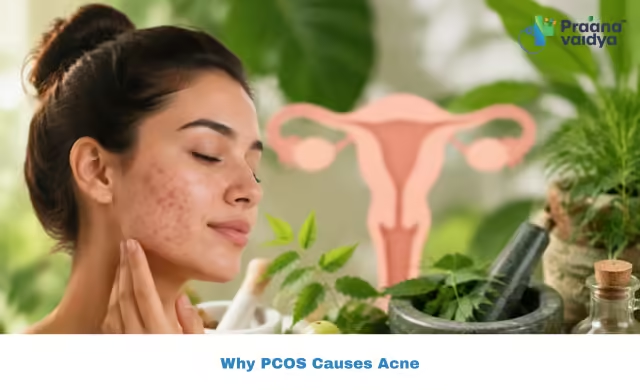
Hormonal imbalances in PCOS can lead to PCOS acne treatment being a priority for many women. High androgen levels often stimulate excess sebum production, clogging pores and causing breakouts. These acne patterns are different from regular acne and require a nuanced approach.
Jawline, chin, and lower face breakouts are characteristic in PCOS, while cystic acne may indicate deeper hormonal imbalance. Ayurvedic treatment offers both internal and external solutions, addressing root hormonal causes, lifestyle, digestion, and skin health.
Why PCOS Causes Acne (Androgen + Sebum)
PCOS often increases androgen levels such as testosterone. Androgens stimulate:
- Sebaceous glands → increased sebum
- Clogged pores → blackheads, whiteheads
- Follicle inflammation → pimples and cysts
Excess insulin, stress, and poor digestion can worsen acne in PCOS. Understanding the hormonal and metabolic interplay is key to PCOS pimples treatment.
Jawline Acne vs Regular Acne in PCOS
- Jawline & chin: Hormonal breakouts typical in PCOS; linked to ovulation cycle and androgens
- Forehead & cheeks: More often associated with external factors, diet, or lifestyle
- Severity: PCOS acne may be cystic, persistent, and slower to heal
Differentiating PCOS-related acne helps guide PCOS acne natural treatment strategies effectively.
Cystic Acne and PCOS
Cystic acne is a deeper, painful, and inflamed form of acne. In PCOS, it is often linked to hormonal imbalance. Characteristics include:
- Large, tender nodules under the skin
- Recurring lesions
- Risk of scarring if untreated
Ayurvedic management combines internal and external remedies for PCOS cystic acne treatment, targeting hormone balance and follicle health.
External Ayurvedic Treatments for Face
Topical and external care includes:
- Medicated oils: Bhringraj, Brahmi, Neem, and Amla
- Herbal face packs: Turmeric, sandalwood, rose water mixtures
- Abhyanga for face and scalp: Enhances circulation and follicle nourishment
- Marma point stimulation: Improves skin health and hormonal balance
These therapies complement internal Ayurvedic medicines and lifestyle interventions.
Dietary Changes for PCOS Acne
A tailored diet supports hormonal and metabolic balance:
Include:
- Fresh fruits and vegetables
- High-fibre grains and legumes
- Nuts and seeds
- Low-glycemic index foods
- Anti-inflammatory spices (turmeric, coriander, cumin)
Avoid:
- Refined sugar and sweets
- Processed foods and deep-fried snacks
- Excess dairy if sensitive
- Excess oily foods
Dietary management is a cornerstone of PCOS acne treatment.
Common Mistakes People Make Treating PCOS Acne
- Using harsh chemical acne creams only
- Ignoring diet and lifestyle factors
- Not addressing hormonal imbalance
- Stopping prescribed medicines without guidance
- Excessive washing or scrubbing
- Overusing topical oils without supervision
Ayurvedic care integrates diet, lifestyle, internal medicines, and external therapies for safe and effective results.
How Long Until Skin Improves with PCOS Treatment?
Improvement depends on:
- Type of acne (cystic vs mild)
- Hormonal balance restoration
- Digestive health
- Compliance with medicines, diet, and lifestyle guidance
Typically, mild acne may improve in 4–6 weeks, while cystic acne may require 3–6 months with consistent treatment.
Visit Us At –
Rajajinagar- 08065903133
Hubballi – 08065903145
Indiranagar- 08065903135
Mumbai-08065903118
Yelahanka- 08065903134
Mangaluru-08065903136
Chamrajpet-08065903132
FAQs
1. How to treat PCOS acne naturally?
Ayurveda recommends diet, lifestyle modification, herbal medicines, oils, and external therapies for pcos acne natural treatment.
2. What is PCOS cystic acne treatment?
Cystic acne in PCOS is managed with internal medicines, external oils, detoxification therapies, diet correction, and stress management.
3. Can PCOS pimples be treated at home?
Mild cases can be supported at home with diet, lifestyle, and herbal topical care, but persistent or cystic lesions require doctor supervision.
4. How long does it take for acne to improve in PCOS?
Improvement usually begins in 4–6 weeks, while full benefits may take 3–6 months.
5. Which herbs are used for PCOS acne treatment?
Shatavari, Ashoka, Neem, Triphala, and Guggulu are commonly used based on constitution and symptoms.
6. Can PCOS acne treatment help hair fall too?
Yes. Hormonal balancing and follicle nourishment may reduce hair thinning and support regrowth.
7. Is Ayurvedic PCOS acne treatment safe?
Yes, when prescribed by a qualified doctor, and customised to PCOS type and individual constitution.
8. Do I need professional consultation for PCOS acne?
Persistent, cystic, or severe acne requires doctor-led evaluation and personalised Ayurvedic treatment.
Praanavaidya
Healthcare Professional
Focused on patient-centric care and evidence-based treatment plans.
More from Praanavaidya