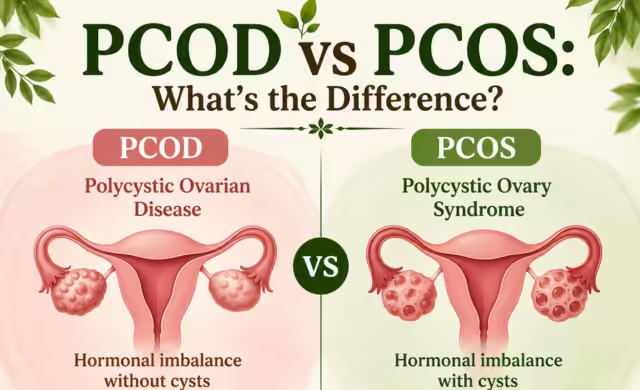
PCOD and PCOS both affect ovarian and hormonal health, but PCOS is generally considered more complex.
PCOD usually refers to polycystic ovarian disease, where the ovaries may produce immature eggs and cyst-like follicles. It is often associated with irregular periods and hormonal imbalance.
PCOS stands for polycystic ovary syndrome. It is a broader endocrine and metabolic condition that may involve irregular ovulation, high androgen levels, insulin resistance, acne, facial hair growth, weight concerns, and fertility challenges.
In simple terms, PCOD is often discussed as an ovarian-function concern, while PCOS is usually treated as a wider hormonal and metabolic syndrome.
PCOD Full Form and Definition
Full form of PCOD is Polycystic Ovarian Disease.
PCOD is commonly used to describe a condition where the ovaries produce immature eggs. These may remain in the ovaries and appear like multiple small cyst-like follicles on ultrasound. PCOD may affect menstrual regularity and hormone balance.
People with PCOD may experience:
- Irregular periods
- Delayed periods
- Heavy or light menstrual flow
- Weight gain
- Acne
- Hair fall
- Facial hair growth
- Mood changes
- Difficulty with ovulation
- Period pain or discomfort in some cases
The severity of PCOD can vary. Some people may have mild symptoms, while others may have recurring menstrual irregularity and metabolic concerns. PCOD should not be ignored if symptoms are persistent or worsening.
A proper diagnosis should be made by a qualified doctor. Self-diagnosing based only on irregular periods or ultrasound findings can be misleading.
PCOS Full Form and Definition
Full form of PCOS is Polycystic Ovary Syndrome.
PCOS is a hormonal and metabolic condition that may affect ovulation, menstrual cycles, androgen levels, insulin function, weight, skin, hair growth, and fertility. It is called a syndrome because it can involve multiple symptoms and body systems.
Common PCOS symptoms may include:
- Irregular periods
- Missed periods
- Difficulty with ovulation
- Acne or oily skin
- Excess facial or body hair
- Hair thinning or scalp hair fall
- Weight gain or difficulty losing weight
- Dark patches around the neck or underarms
- Sugar cravings
- Fatigue
- Mood changes
- Fertility concerns
PCOS may also be linked with insulin resistance in many people. This means the body may have difficulty using insulin properly, which can affect blood sugar balance and weight management.
Because PCOS can affect long-term health, it should be diagnosed and managed with proper medical guidance.
PCOD vs PCOS: 8 Key Differences
The table below gives a simple comparison between PCOD and PCOS.
| Factor | PCOD | PCOS |
| Full Form | Polycystic Ovarian Disease | Polycystic Ovary Syndrome |
| Basic Meaning | Ovaries may produce immature or partially mature eggs | Hormonal and metabolic syndrome affecting ovulation and androgen levels |
| Main Area Affected | Ovarian function | Hormonal, ovarian, and metabolic health |
| Period Pattern | Irregular or delayed periods may occur | Irregular, missed, or very delayed periods are common |
| Hormonal Impact | May involve hormonal imbalance | Often involves stronger androgen imbalance |
| Metabolic Link | May be present in some cases | More commonly linked with insulin resistance and weight concerns |
| Fertility Impact | Ovulation may be affected, but many people may still ovulate | Ovulation problems may be more frequent |
| Seriousness | Often milder, but still needs care if symptoms persist | Usually considered more serious due to broader hormonal and metabolic effects |
This comparison is a general guide. In real life, symptoms may overlap. A doctor should evaluate the person’s menstrual history, symptoms, ultrasound findings, blood tests, weight pattern, skin changes, and metabolic health before confirming the condition.
Which Is More Serious: PCOD or PCOS?
PCOS is generally considered more serious than PCOD because it is a broader hormonal and metabolic condition. It may affect ovulation, androgen levels, insulin function, weight, skin, hair growth, mood, and long-term health.
PCOD may be milder in some people, especially when symptoms are limited to irregular periods or ovarian changes. However, that does not mean PCOD can be ignored. If PCOD symptoms continue for months, worsen over time, or affect fertility, weight, skin, or emotional health, medical evaluation is needed.
PCOS may need closer monitoring because it can be associated with:
- Irregular ovulation
- Fertility challenges
- Insulin resistance
- Weight gain
- Acne and excess hair growth
- Scalp hair thinning
- Higher risk of metabolic issues
- Long-term menstrual irregularity
The seriousness depends on the individual. A person with mild PCOS may manage well with guidance, while someone with untreated PCOD may develop worsening symptoms. So the better question is not only “which is more serious?” but “how severe are the symptoms, and what is causing them?”
Do Both PCOD and PCOS Need Treatment?
Yes, both may need treatment or medical guidance, especially if symptoms are recurring, uncomfortable, or affecting menstrual health, weight, skin, hair growth, or fertility.
The treatment approach may vary depending on:
- Age
- Period regularity
- Weight pattern
- Acne or hair growth symptoms
- Ultrasound findings
- Hormone levels
- Blood sugar and insulin markers
- Thyroid levels
- Stress and sleep
- Fertility goals
- Current medication use
- Severity and duration of symptoms
For some people, lifestyle changes may be the first step. Others may need medicines, hormonal care, fertility support, metabolic monitoring, or Ayurvedic support where suitable.
A responsible approach to pcod and pcos treatment should not be based on one medicine or one diet plan for everyone. It should be personalised after consultation.
Common Symptoms of PCOD and PCOS
PCOD and PCOS can share many symptoms. The difference often lies in severity, hormonal impact, and metabolic involvement.
Common symptoms include:
Irregular Periods
Periods may come late, become unpredictable, or stop for some time. Some people may also experience heavy bleeding after a long gap.
Acne and Oily Skin
Hormonal imbalance may contribute to acne, oily skin, or recurring breakouts, especially around the chin, jawline, or cheeks.
Hair Fall or Hair Thinning
Some people may notice scalp hair thinning or increased hair fall. This may be linked with hormonal changes, stress, nutrition, or other factors.
Facial Hair Growth
Excess hair growth on the face, chin, upper lip, chest, or abdomen may occur due to higher androgen activity.
Weight Gain
Many people with PCOS, and some with PCOD, may find it difficult to lose weight. Weight gain may worsen insulin resistance and hormone imbalance.
Dark Skin Patches
Dark patches around the neck, underarms, or skin folds may be linked with insulin resistance and should be evaluated.
Fertility Concerns
Irregular ovulation can make conception more difficult for some people. Early diagnosis and treatment planning can help.
Mood Changes and Fatigue
Hormonal imbalance, stress, poor sleep, and blood sugar fluctuations may affect mood, energy, and motivation.
Ayurvedic Approach to PCOD and PCOS
Ayurveda looks at PCOD and PCOS through a wider lens that includes digestion, metabolism, menstrual rhythm, body weight, stress, sleep, food habits, and daily routine. The goal is to support balance and improve consistency in lifestyle and body function.
An Ayurvedic doctor may assess:
- Menstrual cycle pattern
- Digestion and appetite
- Bowel routine
- Weight changes
- Sleep quality
- Stress levels
- Food habits
- Acne or hair growth pattern
- Energy levels
- Fertility goals
- Current medicines
- Previous hormonal treatment
Ayurvedic care may include:
- Diet correction
- Routine improvement
- Weight management support
- Digestion and metabolism support
- Herbal medicine guidance, where suitable
- Stress and sleep support
- Menstrual cycle support
- Follow-up monitoring
In selected cases, therapies may be suggested as part of a broader care plan. However, no therapy should be started without checking suitability.
If you are looking for doctor-led care, Praanavaidya offers consultation-based support for pcod and pcos treatment, with personalised guidance based on symptoms, lifestyle, and health history.
Can PCOD or PCOS Be Managed Long-Term?
Yes, many people can manage PCOD or PCOS better with the right combination of medical guidance, lifestyle correction, diet, weight management, stress control, and follow-up.
However, it is important to avoid unrealistic claims. PCOD and PCOS should not be promoted with guaranteed cure statements. The goal is to manage symptoms, support hormonal balance, improve menstrual regularity where possible, reduce recurrence triggers, and monitor long-term health.
Consistency matters more than short-term efforts. A person may feel better for a few weeks, but symptoms can return if sleep, stress, diet, weight, and routine are not addressed.
Conclusion
If you are confused about PCOD vs PCOS or unsure what is causing irregular periods, acne, weight gain, hair fall, or fertility concerns, a doctor consultation is the right first step.
At Praanavaidya, care begins with understanding your symptoms, menstrual history, lifestyle, reports, and health goals. Based on evaluation, the doctor may suggest diet guidance, routine correction, Ayurvedic medicines where suitable, lifestyle support, and follow-up.
Visit Us At –
Rajajinagar- 08065903133
Hubballi – 08065903145
Indiranagar- 08065903135
Mumbai-08065903118
Yelahanka- 08065903134
Mangaluru-08065903136
Chamrajpet-08065903132
FAQs
1. What is the full form of PCOD?
PCOD stands for Polycystic Ovarian Disease. It commonly refers to a condition where the ovaries may produce immature or partially mature eggs, which can affect menstrual regularity and hormone balance.
2. What is the full form of PCOS?
PCOS stands for Polycystic Ovary Syndrome. It is a hormonal and metabolic condition that may affect ovulation, periods, androgen levels, weight, skin, hair growth, and fertility.
3. What is the main difference between PCOD and PCOS?
PCOD is often discussed as an ovarian-function concern, while PCOS is generally considered a broader hormonal and metabolic syndrome. Symptoms can overlap, so diagnosis should be made by a doctor.
4. Which is more serious, PCOD or PCOS?
PCOS is generally considered more serious because it may involve stronger hormonal imbalance, irregular ovulation, insulin resistance, and long-term metabolic concerns. However, persistent PCOD symptoms also need medical attention.
5. Do PCOD and PCOS both need treatment?
Yes, both may need medical guidance if symptoms are recurring, worsening, or affecting periods, weight, acne, hair growth, or fertility. The treatment plan depends on the person’s condition.
6. Can PCOD become PCOS?
PCOD and PCOS are often used differently in everyday language. Symptoms may overlap, and untreated hormonal or metabolic imbalance can worsen over time. A doctor can clarify the diagnosis after evaluation.
7. Can PCOD or PCOS affect fertility?
Yes, both can affect ovulation in some people. PCOS is more commonly associated with irregular ovulation and fertility concerns. Early diagnosis and treatment planning can help.
8. Is weight gain common in PCOS?
Weight gain or difficulty losing weight is common in many people with PCOS, especially when insulin resistance is present. However, not every person with PCOS is overweight.
9. Is Ayurveda useful for PCOD and PCOS?
Ayurvedic care may support PCOD and PCOS management through diet correction, lifestyle guidance, digestion support, stress management, herbal medicine where suitable, and follow-up. It should be doctor-guided.
10. Can PCOD or PCOS be cured permanently?
PCOD and PCOS should not be promoted with guaranteed cure claims. Many people can manage symptoms better with consistent treatment, lifestyle correction, weight management, and medical guidance.
Praanavaidya
Healthcare Professional
Focused on patient-centric care and evidence-based treatment plans.
More from Praanavaidya