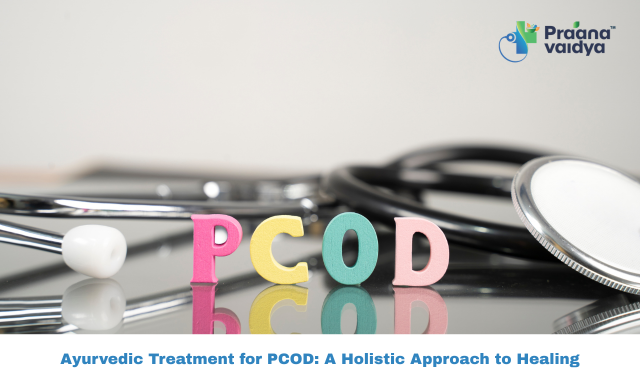
Ayurvedic treatment for PCOD at Praanavaidya corrects the metabolic imbalance, insulin resistance, and Kapha-Vata disruption underlying the hormonal disorder. Treatment includes Virechana (metabolic detox), Basti (hormonal cycle support), Udwarthana (insulin sensitivity), Nasya (hypothalamic-pituitary axis support), Shirodhara and Abhyanga (stress and nervous system regulation), and classical herbal formulations.
Talk to a Praanavaidya doctor about PCOD and hormonal treatment
Call / WhatsApp: 08065903127 | +91 96117 73811
The Panchakarma therapies used at Praanavaidya for PCOD
The following therapies are confirmed on the Praanavaidya PCOD treatment page (praanavaidya.com/treatment/pcod-and-pcos/):
Virechana — hormonal and metabolic detoxification
Therapeutic purgation is the primary Panchakarma therapy for PCOD. Virechana eliminates Pitta-dominant Ama and excess Kapha from the intestinal channels and through the body’s internal channel system from the reproductive tissues. It is the most direct method for removing the accumulated toxins driving ovarian Kapha excess and hormonal disruption. Most women experience measurable cycle changes within the first menstrual cycle following Virechana.
Basti — hormonal balance and cycle regulation
Basti addresses the Vata component of PCOD. Anuvasana Basti (oil-based) nourishes the reproductive tissues and the uterine environment. Kashaya Basti (decoction-based) removes residual Ama from the colon and the Artava Vaha Srotas. A full Yoga Basti course (alternating sequence) is typically administered over 8 to 10 days.
Udwarthana — insulin sensitivity and fat metabolism
Udwarthana is a herbal powder massage that stimulates lymphatic drainage, breaks down subcutaneous fat accumulation, and improves cellular insulin sensitivity. For women with PCOD-related weight gain and insulin resistance, it is a direct therapeutic intervention — not cosmetic.
Nasya — hypothalamic-pituitary hormonal axis support
Nasal administration of medicated oil accesses the hypothalamus-pituitary pathway through nasal-cranial channels. For PCOD, where the hormonal dysregulation originates at the level of the hypothalamic-pituitary axis, Nasya is a specifically targeted therapy.
Shirodhara and Abhyanga — stress regulation and nervous system balance
Chronic stress is a significant driver of PCOD — cortisol dysregulation amplifies insulin resistance and Vata imbalance. Shirodhara and Abhyanga reduce cortisol, calm the nervous system, and support the hormonal environment that allows the reproductive system to regulate.
Sthanika Chikitsa — specialised localised treatments
When clinically indicated, Praanavaidya’s gynaecological specialists administer localised uterine and pelvic treatments that are specific to the individual’s reproductive presentation.
How ayurveda understands PCOD
In ayurvedic clinical understanding, PCOD involves Artava Kshaya — impairment of the reproductive channel function — driven by three overlapping factors:
• Kapha and Ama accumulation in the reproductive channels (Artava Vaha Srotas): excess Kapha creates the cystic ovarian environment. Ama impairs the Srotas, reducing follicular development and ovulation.
• Vata dysregulation in the reproductive system: irregular Vata creates menstrual irregularity, cycle unpredictability, and the systemic variability characteristic of PCOD.
• Impaired Agni and metabolic dysfunction: weak digestive fire produces Ama that accumulates systemically, contributing to the insulin resistance, weight gain, and hormonal imbalance.
Treatment must address all three simultaneously. Hormonal contraceptives address only the downstream hormonal output — not the Kapha accumulation, Vata dysregulation, or metabolic dysfunction producing it.
Herbs used for Ayurvedic PCOD treatment — classical formulations
| Herb / Formula | Clinical role in PCOD |
| Shatapushpa (Foeniculum vulgare / dill) | Regulates ovulation, reduces androgen excess, supports follicular development |
| Shatavari (Asparagus racemosus) | Nourishes reproductive tissue, supports oestrogen balance, reduces Vata in Artava Vaha Srotas |
| Ashoka (Saraca asoca) | Tones uterine tissue, regulates menstrual cycle, reduces bleeding irregularities |
| Guduchi (Tinospora cordifolia) | Reduces Ama systemically, supports immune regulation in autoimmune PCOD presentations |
| Triphala | Improves Agni, reduces Kapha accumulation, supports weight regulation and metabolic correction |
| Kanchanara Guggulu | Primary classical formula for cyst reduction, glandular health, Kapha-Ama elimination |
| Varuna (Crataeva nurvala) | Reduces cyst burden, improves fluid metabolism in reproductive channels |
Note:
The herbs and classical formulations listed here are traditionally used in Ayurvedic treatment for PCOD. Each herb targets specific aspects of the condition, such as hormonal imbalance, ovarian cysts, metabolic dysfunction, and reproductive tissue health. These should be taken under the guidance of a qualified Ayurvedic practitioner, as the exact combination and dosage depend on individual constitution (Prakriti) and the severity of PCOD symptoms.
Conclusion
Ayurvedic treatment for PCOD at Praanavaidya is a structured, evidence-informed programme that addresses the metabolic, digestive, and hormonal roots of the condition — not just the cycle irregularity on the surface. It is physician-directed, insurance-accepted, and designed to reduce long-term medication dependency by restoring the body’s own hormonal regulation.
Praanavaidya centres — Visit us near you
Rajajinagar- 08065903133
Hubballi – 08065903145
Indiranagar- 08065903135
Mumbai-08065903118
Yelahanka- 08065903134
Mangaluru-08065903136
Chamrajpet-08065903132
FAQs
1. What is Ayurvedic treatment for PCOD?
Ayurvedic treatment for PCOD focuses on correcting hormonal imbalance, insulin resistance, and metabolic dysfunction at the root. It uses Panchakarma therapies like Virechana, Basti, Nasya, Shirodhara, and Abhyanga along with classical herbal formulations to restore reproductive health naturally.
2. How does Ayurveda treat PCOD naturally without pills?
Ayurveda addresses PCOD by targeting the three root causes: Kapha and Ama accumulation in reproductive channels, Vata dysregulation, and impaired Agni (metabolism). Therapies like Virechana detoxify, Basti nourishes reproductive tissues, Udwarthana improves insulin sensitivity, and herbs regulate hormones and support ovulation.
3. What Panchakarma therapies are used for treating PCOD in Ayurveda?
Panchakarma therapies play a central role in Ayurvedic PCOD treatment:
- Virechana: Detoxifies Pitta and Kapha, improving hormonal function
- Basti: Nourishes reproductive tissues and regulates menstrual cycles
- Udwarthana: Enhances fat metabolism and insulin sensitivity
- Nasya: Supports hypothalamic-pituitary hormonal balance
- Shirodhara & Abhyanga: Reduces stress and balances the nervous system
These therapies work together to restore reproductive and metabolic health naturally
4. Can Ayurvedic therapies help with PCOD-related weight gain and insulin resistance?
Yes. Therapies like herbal powder massage stimulate fat metabolism, improve insulin sensitivity, and support weight management. Panchakarma therapies combined with herbal medicines help correct systemic metabolic dysfunction that contributes to PCOD-related weight gain.
5. How long does Ayurvedic treatment take to improve PCOD symptoms?
Improvement varies based on individual metabolic and hormonal conditions, but many women notice cycle regulation and symptom relief after the first menstrual cycle post Virechana detox.
Praanavaidya
Healthcare Professional
Focused on patient-centric care and evidence-based treatment plans.
More from Praanavaidya