Lupus, also known as systemic lupus erythematosus (SLE), is a long-term autoimmune condition that can affect different parts of the body. Because the condition is complex and can vary from person to person, many people look for ways to support their overall well-being while continuing their existing care.
The search for lupus and Ayurveda needs a balanced perspective. Ayurveda should not be presented as a cure or replacement for condition-specific care. Instead, an Ayurvedic consultation can be considered a supportive wellness approach that looks at everyday factors such as food habits, sleep, stress, activity and daily routine.
At Praanavaidya, the focus is on understanding the individual rather than applying the same routine to everyone. This article explores what SLE means, how Ayurveda may be approached from a wellness perspective, and what people should consider before beginning an Ayurvedic consultation.
If you are exploring Ayurveda as part of your broader wellness routine, Praanavaidya offers consultation-led Ayurveda focused on understanding your individual health background and lifestyle.
What Is Lupus (SLE)?
Systemic lupus erythematosus is a long-term autoimmune condition. In simple terms, the immune system can react against the body’s own tissues. Lupus may involve the skin, joints and other organs, and its symptoms can differ considerably between individuals.
Commonly discussed symptoms may include:
- Fatigue
- Joint pain or stiffness
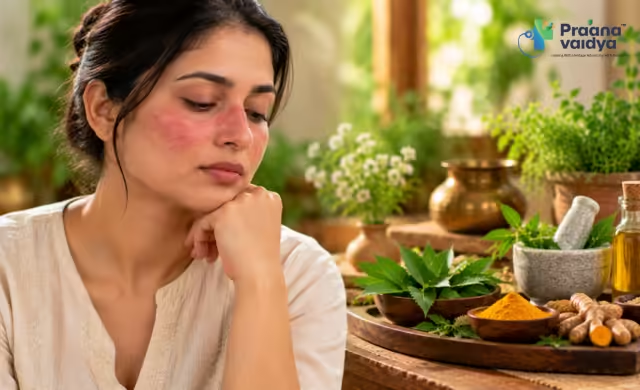
- Skin changes or rashes
- Sensitivity to sunlight
- Periods when symptoms become more noticeable
Lupus can be difficult to understand because its effects and day-to-day experience can vary. This makes an individualised approach to overall wellness more relevant than following a generic list of remedies found online.
Why Are People Interested in Ayurveda for Lupus?
People living with long-term health concerns may want a more structured approach to everyday wellness. Ayurveda traditionally looks at the person as a whole, considering areas such as routine, food habits, sleep, digestion, activity and stress.
When people search for Ayurveda for lupus, they may be interested in:
- Creating a more consistent daily routine
- Becoming more aware of eating patterns
- Establishing healthier sleep habits
- Paying attention to everyday stress
- Understanding individual wellness patterns
- Exploring traditional Ayurvedic principles with professional guidance
These areas are best considered as supportive wellness topics rather than as substitutes for diagnosis or condition-specific care.
How Ayurveda Can Be Considered a Supportive Approach
Looking at the Individual
Ayurveda traditionally takes an individualised approach. Two people with the same diagnosis can have very different routines, food preferences, sleep patterns, stress levels and lifestyle needs.
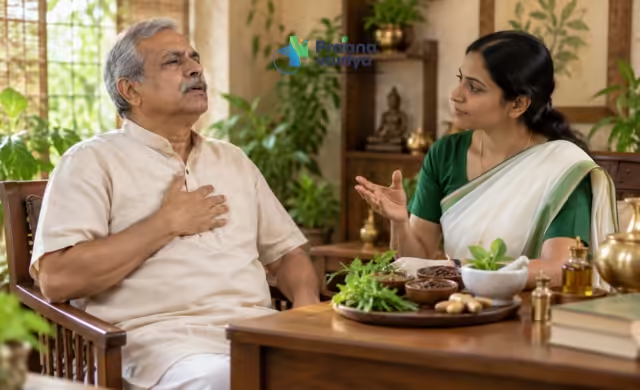
An Ayurvedic consultation may therefore begin with a conversation about the person’s health background and daily habits rather than immediately suggesting a fixed routine.
Building a Practical Daily Routine
A consistent routine can make everyday health management more organised. An Ayurvedic wellness discussion may include regular meal patterns, sleep schedules, periods of rest and suitable daily activity.
The aim should be to identify practical habits that fit into real life rather than creating an unnecessarily complicated routine.
Paying Attention to Food Habits
Food is an important part of traditional Ayurveda. However, there is no single food plan that should automatically be considered suitable for every person with SLE.
A more thoughtful approach is to discuss existing eating patterns, preferences and individual needs during a professional consultation. Significant dietary changes should be considered carefully in the context of a person’s overall health and existing care.
Creating Awareness Around Stress
Living with a long-term condition can bring changes to work, family life and everyday routines. Ayurveda traditionally places importance on routine, rest and practices associated with maintaining a sense of balance.
Rather than promising a specific health outcome, the focus can remain on developing calmer and more sustainable lifestyle habits.
Reviewing the Approach Over Time
A supportive wellness routine is not necessarily a one-time checklist. Daily schedules, food habits, sleep patterns and personal priorities can change over time.
Regular conversations with qualified professionals can provide an opportunity to review whether the chosen approach remains appropriate for the individual.
What Should You Discuss During an Ayurvedic Consultation?
If you are considering an Ayurvedic approach alongside your existing care, it can be useful to prepare a clear picture of your current lifestyle.
Topics to discuss may include:
- Your general health background
- Your daily schedule
- Food and eating habits
- Sleep patterns
- Work and stress routine
- Physical activity
- Existing supplements or traditional products
- Current care or medicines
Keeping a simple record of your daily routine can also make the consultation more focused.
If you are looking for a personalised Ayurvedic consultation, Praanavaidya can provide a space to discuss your health background, lifestyle and broader wellness goals.
Ayurveda and Lupus: What to Keep in Mind
The phrase “Ayurveda for lupus” can sometimes create unrealistic expectations online. It is important to distinguish supportive wellness practices from claims about treating, curing or reversing SLE.
A responsible approach should:
- Avoid promises of a cure
- Avoid guaranteed results
- Avoid presenting Ayurveda as a replacement for condition-specific care
- Consider the individual’s complete health background
- Encourage appropriate professional review when changes to existing care are being considered
This balanced perspective is particularly important when discussing complex long-term health conditions.
Is Ayurveda the Same for Everyone With SLE?
No. An Ayurvedic wellness approach is traditionally individualised. Lifestyle, food preferences, sleep, stress, activity and other personal factors can differ considerably.
For this reason, copying another person’s Ayurvedic routine or following a generic online list may not be appropriate. A personalised consultation provides an opportunity to discuss which areas are relevant to the individual.
A Balanced Way to Think About Lupus and Ayurveda
Lupus can affect many aspects of everyday life, which is why people may explore different approaches to supporting their overall well-being.
Ayurveda can be discussed as a traditional wellness framework that encourages attention to routine, food habits, rest, stress awareness and individual lifestyle patterns.
The key is to keep expectations realistic. An Ayurvedic consultation should focus on understanding broader wellness needs and discussing practical areas that may fit into a person’s lifestyle, rather than promising a particular medical outcome.
For people living with SLE, decisions involving diagnosis, medicines or changes to ongoing care should remain with the appropriate healthcare professionals involved in their care.
How Praanavaidya Approaches Supportive Ayurveda
Praanavaidya follows a consultation-led approach that begins with understanding the individual. Conversations may cover lifestyle, daily routines, food habits, sleep, stress and other relevant wellness factors.
The emphasis is on personalised discussion rather than a one-size-fits-all routine. This allows traditional Ayurvedic principles to be considered in the context of an individual’s broader wellness goals.
Explore a personalised Ayurveda consultation with Praanavaidya and discuss a supportive wellness approach based on your individual lifestyle and needs.
Conclusion
Lupus (SLE) is a complex long-term condition, and its management cannot be reduced to a single remedy or routine. For people interested in Ayurveda, the most balanced perspective is to view it as a traditional supportive wellness framework rather than a replacement for condition-specific care.
Attention to daily routine, food habits, sleep, stress awareness and individual lifestyle patterns can provide useful areas for discussion during an Ayurvedic consultation.
If you are considering this approach, begin with an individual conversation and discuss any significant changes to your existing care with the appropriate professionals.
Praanavaidya offers consultation-led Ayurveda . Connect with your nearest Praanavaidya center to explore your wellness goals.
Visit Us in
Rajajinagar- 08065903133
Hubballi – 08065903145
Indiranagar- 08065903135
Mumbai-08065903118
Yelahanka- 08065903134
Mangaluru-08065903136
Jayanagar- 08065903132
Delhi-08065903140
Lucknow-08065903130
FAQs
Can Ayurveda cure lupus (SLE)?
Ayurveda should not be presented as a cure for lupus. This article discusses Ayurveda as a supportive wellness approach focused on individual lifestyle, routine and broader well-being.
Is Ayurveda for lupus the same for everyone?
No. A personalised approach considers the individual’s health background, routine, food habits, sleep, stress and other relevant lifestyle factors.
Can people with SLE follow an Ayurvedic diet?
There is no single Ayurvedic diet that should automatically be considered appropriate for every person with SLE. Food choices should be considered in the context of individual needs and existing care.
Can Ayurveda support stress management during lupus?
Ayurveda traditionally gives importance to routine, rest and practices associated with maintaining balance. These can be discussed as general wellness areas rather than as treatment for lupus.
Should Ayurveda replace existing lupus care?
No. An Ayurvedic wellness approach should not be treated as a replacement for condition-specific care. Significant changes to existing care or the use of supplements should be discussed with the appropriate professional.
Where can I explore Ayurveda for lupus-related wellness?
Praanavaidya offers consultation-led Ayurveda across Bangalore, Hubballi, Mangalore, Mumbai, Delhi and Lucknow. A consultation can focus on your individual background, lifestyle and broader wellness goals.
lahari
Healthcare Professional
Focused on patient-centric care and evidence-based treatment plans.
More from lahari