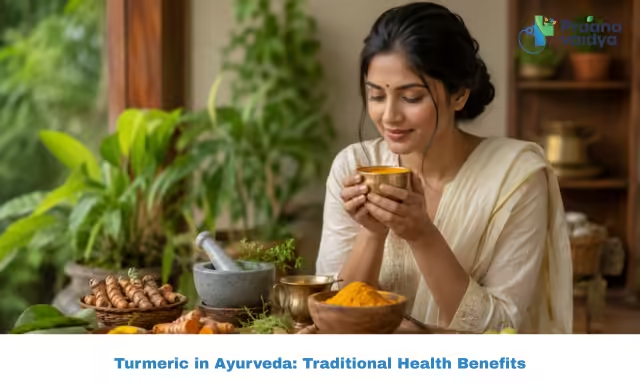
Turmeric in Ayurveda has been valued for thousands of years as much more than a kitchen spice. Known as Haridra in Sanskrit, turmeric holds a special place in Ayurvedic medicine because of its ability to support digestion, immunity, skin health, wound healing, and overall vitality.
At Praanavaidya, turmeric is used in carefully designed Ayurvedic treatment plans to help manage various health concerns naturally. Rather than treating it as a simple home remedy, Ayurveda recognizes turmeric as a powerful medicinal herb whose benefits depend on the individual’s constitution, digestive strength, and underlying dosha imbalance.
In this blog, you’ll learn how Turmeric in Ayurveda works, its traditional uses, modern scientific understanding, health benefits, proper usage, and who should use it carefully.
What Is Turmeric in Ayurveda?
Turmeric (Curcuma longa) is a perennial herb belonging to the ginger family. The bright yellow rhizome is dried and powdered before being used in food and Ayurvedic formulations.
Ayurveda classifies turmeric as an herb that helps balance Kapha and Pitta while supporting healthy circulation and cleansing various body channels (Srotas).
According to classical Ayurvedic texts, turmeric possesses:
- Bitter (Tikta) taste
- Pungent (Katu) taste
- Light (Laghu) quality
- Dry (Ruksha) quality
- Heating (Ushna Virya) potency
These qualities explain why turmeric is widely used to reduce inflammation, improve metabolism, purify the blood, and support tissue healing.
Why Turmeric Is Considered a Powerful Ayurvedic Herb
Unlike herbs that work only on one body system, turmeric influences multiple tissues and physiological functions.
Ayurveda uses turmeric to support:
- Digestive health
- Blood purification
- Skin wellness
- Joint function
- Respiratory health
- Liver function
- Metabolism
- Immunity
- Healthy wound healing
Its versatility makes it one of the most commonly prescribed Ayurvedic herbs across many treatment protocols.
Ayurvedic Properties of Turmeric
Turmeric is believed to work through several mechanisms in Ayurveda.
Supports Healthy Agni
Strong digestion is essential for good health.
Turmeric stimulates digestive fire (Agni), helping improve food digestion and nutrient absorption.
Reduces Ama
Poor digestion leads to Ama, or metabolic toxins.
Turmeric assists the body in clearing Ama, which may contribute to many chronic disorders according to Ayurveda.
Balances Doshas
Turmeric in Ayurveda is primarily recommended for:
- Kapha imbalance
- Pitta disorders involving blood impurities
- Certain Vata conditions associated with inflammation
An Ayurvedic physician determines whether turmeric is appropriate based on individual constitution.
Health Benefits of Turmeric in Ayurveda
1. Supports Healthy Digestion
Turmeric helps improve digestive efficiency by stimulating digestive enzymes and maintaining balanced metabolism.
It may help support:
- Mild bloating
- Poor digestion
- Sluggish metabolism
- Gas formation
- Loss of appetite
2. Promotes Blood Purification
Ayurveda considers healthy blood essential for maintaining vibrant skin and overall wellness.
Turmeric supports natural detoxification pathways and is often included in therapies designed for blood purification.
3. Supports Skin Health
Healthy skin begins internally.
Turmeric is widely used in Ayurveda for supporting:
- Healthy complexion
- Skin clarity
- Acne-prone skin
- Minor skin irritation
- Skin healing
- Overall skin nourishment
It is commonly included in both internal medicines and external herbal applications.
4. Helps Maintain Joint Comfort
Turmeric contains naturally occurring compounds that help support a healthy inflammatory response.
For this reason, Ayurvedic physicians frequently include turmeric in treatment plans for individuals experiencing:
- Joint stiffness
- Reduced mobility
- Age-related joint discomfort
- Muscle soreness
5. Supports Respiratory Wellness
Turmeric has traditionally been used to maintain respiratory health.
It may help support:
- Healthy airways
- Seasonal respiratory discomfort
- Immune response
- Healthy mucus balance
Many traditional Ayurvedic formulations combine turmeric with ginger and black pepper.
6. Promotes Liver Function
The liver plays an important role in detoxification.
Ayurveda considers turmeric beneficial for maintaining healthy liver function and supporting natural cleansing processes.
7. Supports Healthy Immunity
One reason Turmeric in Ayurveda remains popular is its ability to promote overall immune resilience.
Instead of acting as a quick fix, Ayurveda uses turmeric as part of a long-term wellness strategy that supports balanced immune function.
8. Encourages Healthy Wound Healing
Turmeric has been traditionally used to support healing after minor cuts and injuries.
Its natural properties help maintain healthy tissue repair while supporting the body’s normal healing process.
Traditional Ayurvedic Uses of Turmeric
Turmeric is used in numerous Ayurvedic preparations.
Common forms include:
- Herbal powders (Churna)
- Decoctions (Kwatha)
- Medicated oils
- Herbal pastes (Lepa)
- Tablets
- Capsules
- Ghee preparations
- Herbal milk
The form selected depends entirely on the health condition being addressed.
Turmeric and Modern Research
Modern studies have identified several naturally occurring compounds in turmeric, particularly curcumin, which has been extensively researched.
Current research suggests turmeric may help support:
- Healthy inflammatory response
- Antioxidant activity
- Immune function
- Joint health
- Skin healing
- Liver function
While research is promising, Ayurveda emphasizes that turmeric works best when used appropriately within a complete treatment approach rather than as a standalone supplement.
How Ayurveda Recommends Using Turmeric
Turmeric should be selected according to an individual’s health needs.
Common Ayurvedic approaches include:
Turmeric with warm milk
Traditionally used for overall wellness and immune support.
Turmeric with honey
Sometimes recommended for respiratory support.
Turmeric with ghee
May be used when nourishing tissues is the primary goal.
Turmeric with black pepper
Black pepper may enhance the absorption of curcumin and is commonly combined with turmeric in Ayurvedic formulations.
Always consult an Ayurvedic physician before beginning regular medicinal use.
Conclusion
Turmeric in Ayurveda represents centuries of traditional wisdom supported by growing scientific interest. From digestion and immunity to skin care and joint health, this remarkable herb continues to play an important role in holistic wellness.
At Praanavaidya, our experienced Ayurvedic physicians create personalized treatment plans using carefully selected herbs, Panchakarma therapies, nutrition, and lifestyle guidance to address the root cause of health concerns rather than simply managing symptoms.
If you’re considering Ayurvedic care, consult our experts to understand whether turmeric and other Ayurvedic therapies are suitable for your individual health needs.
Visit Us At –
Rajajinagar- 08065903133
Hubballi – 08065903145
Indiranagar- 08065903135
Mumbai-08065903118
Yelahanka- 08065903134
Mangaluru-08065903136
Chamrajpet-08065903132
Frequently Asked Questions
Is turmeric good for daily use?
Many people can consume turmeric as part of a balanced diet. However, regular medicinal use should be guided by a qualified Ayurvedic physician.
Does turmeric reduce inflammation?
Turmeric contains naturally occurring compounds that support a healthy inflammatory response and is widely used in Ayurveda for this purpose.
Can turmeric improve digestion?
Yes. Ayurveda considers turmeric beneficial for stimulating Agni and supporting healthy digestion.
Is turmeric good for the skin?
Turmeric has traditionally been used to support healthy skin, blood purification, and natural complexion when prescribed appropriately.
Can everyone take turmeric supplements?
No. Supplements may not be suitable for individuals with certain medical conditions or those taking specific medications. Professional advice is recommended.
Praanavaidya
Healthcare Professional
Focused on patient-centric care and evidence-based treatment plans.
More from Praanavaidya