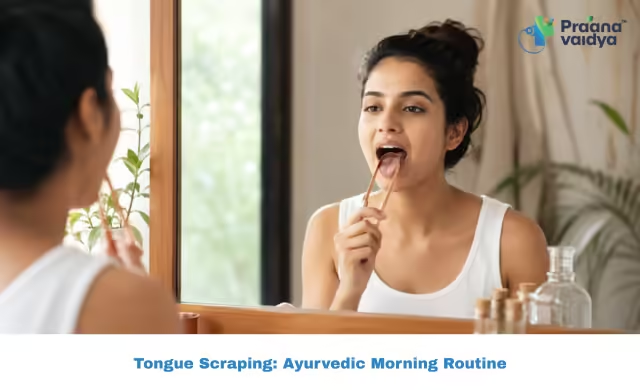
Tongue scraping is one of the simplest yet most valuable daily practices recommended in Ayurveda. Known as Jihwa Prakshalana, this morning ritual takes less than a minute but can contribute to better oral hygiene, fresher breath, improved taste perception, and healthier digestion.
When you wake up each morning, you may notice a white, yellow, or slightly coated layer on your tongue. Ayurveda considers this coating more than just a cosmetic issue. It may indicate the presence of Ama (metabolic waste) or the natural accumulation of debris, bacteria, and dead cells that develop overnight.
At Praanavaidya, tongue scraping is often recommended as an essential part of Dinacharya (Ayurvedic daily routine) because it helps prepare the mouth and digestive system for the day ahead.
In this guide, we’ll explain why tongue scraping is important, how to do it correctly, its benefits, and common mistakes to avoid.
What Is Tongue Scraping?
Tongue scraping is the practice of gently cleaning the surface of the tongue using a specially designed tongue scraper.
In Ayurveda, this practice is known as Jihwa Prakshalana, where:
- Jihwa means tongue.
- Prakshalana means cleansing or washing.
Unlike brushing your teeth, tongue scraping specifically targets the coating that forms on the tongue’s surface overnight.
Ayurvedic texts describe this practice as an important part of maintaining oral cleanliness and supporting digestive health.
Why Does a Coating Form on the Tongue?
During sleep, several substances naturally accumulate on the tongue, including:
- Dead cells
- Food debris
- Bacteria
- Saliva residue
- Mucus
From an Ayurvedic perspective, excessive tongue coating may also reflect impaired digestion and the accumulation of Ama.
The appearance of the tongue can provide useful insights into overall health, although it should not be used as the sole basis for diagnosis.
What Does Ayurveda Say About Tongue Scraping?
Ayurveda places great importance on oral hygiene as part of daily self-care.
Jihwa Prakshalana is recommended before eating or drinking anything in the morning.
The purpose is to:
- Remove accumulated coating
- Freshen the mouth
- Improve taste perception
- Support healthy digestion
- Promote oral cleanliness
Since digestion begins in the mouth, maintaining a clean tongue is considered an important first step in preparing the digestive system.
Benefits of Tongue Scraping
1. Supports Better Oral Hygiene
One of the primary benefits of tongue scraping is reducing the buildup of bacteria and debris that contribute to oral hygiene problems.
A cleaner tongue creates a healthier environment inside the mouth.
2. Helps Reduce Bad Breath
Persistent bad breath is often associated with bacterial buildup on the tongue.
Regular tongue scraping helps remove this coating and may contribute to fresher breath when combined with proper brushing and flossing.
3. Improves Taste Perception
A heavily coated tongue can reduce the ability to fully appreciate different tastes.
Cleaning the tongue allows taste buds to function more effectively, making meals more enjoyable.
4. Supports Healthy Digestion
Ayurveda considers digestion to begin in the mouth.
By removing accumulated coating before eating, tongue scraping helps prepare the digestive process and complements other healthy eating habits.
5. Encourages Better Daily Hygiene
Starting the day with tongue scraping creates awareness about oral health and reinforces a consistent morning wellness routine.
6. May Reflect Digestive Health
In Ayurveda, the tongue is often observed during consultations because changes in its appearance may provide clues about digestive balance.
Persistent thick coatings should be evaluated by a qualified healthcare professional rather than managed through self-treatment alone.
How to Perform Jihwa Prakshalana Correctly
The procedure is simple and takes less than one minute.
Step 1
Choose a clean tongue scraper made of stainless steel, copper, or another suitable material.
Step 2
Stand in front of a mirror and extend your tongue comfortably.
Step 3
Place the scraper gently near the back of the tongue without triggering the gag reflex.
Step 4
Pull the scraper forward with light, even pressure.
Step 5
Rinse the scraper after each stroke.
Step 6
Repeat 5–8 gentle strokes until the coating is removed.
Step 7
Rinse your mouth thoroughly.
Tongue scraping should be gentle. Avoid applying excessive force.
When Should You Scrape Your Tongue?
Ayurveda recommends performing tongue scraping:
- Immediately after waking up
- Before brushing your teeth
- Before drinking water
- Before tea or coffee
- Before breakfast
Making it the first step of your morning routine helps maintain consistency.
Tongue Scraping vs Brushing Your Tongue
While toothbrushes may remove some surface debris, they are not specifically designed to clean the tongue efficiently.
A dedicated tongue scraper:
- Covers a wider surface
- Removes coating more effectively
- Requires fewer strokes
- Is easier to clean
For comprehensive oral hygiene, brushing, flossing, and tongue scraping each have their own role.
How Tongue Scraping Fits Into an Ayurvedic Morning Routine
At Praanavaidya, tongue scraping is viewed as one step in a complete morning wellness routine.
It is commonly followed by:
- Brushing the teeth
- Oil pulling (when appropriate)
- Drinking warm water
- Gentle movement or yoga
- Meditation
- Healthy breakfast
Together, these habits support daily wellness and digestive health.
Start Your Morning the Ayurvedic Way
A healthy lifestyle often begins with simple, consistent habits. Tongue scraping is a quick practice that supports oral hygiene, complements healthy digestion, and forms an important part of Ayurveda’s daily wellness routine.
If you’re interested in learning how traditional Ayurvedic practices can support your overall health, the experienced physicians at Praanavaidya can provide personalized guidance based on your unique constitution and health goals.
Visit Us At –
Rajajinagar- 08065903133
Hubballi – 08065903145
Indiranagar- 08065903135
Mumbai-08065903118
Yelahanka- 08065903134
Mangaluru-08065903136
Chamrajpet-08065903132
Frequently Asked Questions
Is tongue scraping necessary every day?
Yes. Ayurveda recommends daily tongue scraping as part of the morning routine to maintain oral hygiene and support digestive wellness.
Should I scrape my tongue before brushing?
Yes. Traditionally, tongue scraping is performed immediately after waking up and before brushing your teeth.
Can tongue scraping cure bad breath?
Tongue scraping may help reduce bad breath caused by tongue coating and bacterial buildup, but persistent bad breath should be evaluated to identify underlying causes.
Is tongue scraping safe?
When performed gently with a clean tongue scraper, tongue scraping is generally considered safe for most healthy individuals.
Does tongue scraping improve digestion?
Ayurveda considers tongue scraping an important part of preparing the digestive system by promoting oral cleanliness and supporting healthy eating habits.
Praanavaidya
Healthcare Professional
Focused on patient-centric care and evidence-based treatment plans.
More from Praanavaidya